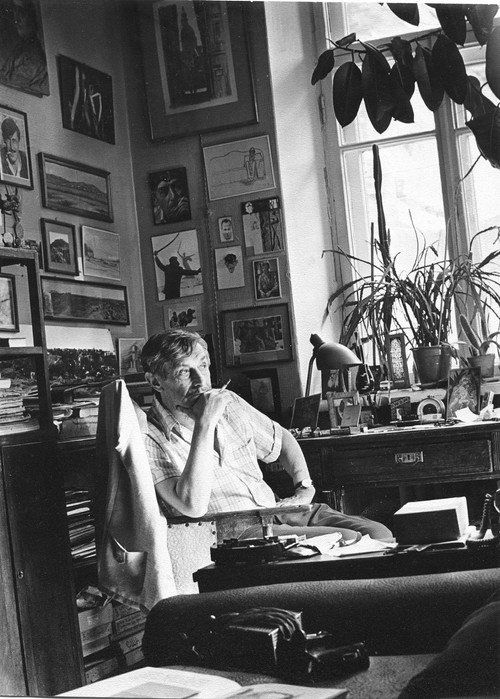
Viktor Nekrasov is Free and at Home 1991
This deeply moving documentary by Rafail Nakhmanovych examines the turbulent life of Viktor Platonovich Nekrasov, a celebrated Soviet-era writer whose unwavering integrity placed him at odds with the state.
Director: Rafail Nakhmanovych
Frequently Asked Questions
What is Viktor Nekrasov is Free and at Home (1991) about?
This documentary revisits the life of Viktor Nekrasov, a celebrated Soviet writer whose refusal to conform to state ideology led to exile and hardship. The film contrasts his early acclaim with the struggles of his later years, offering a stark look at the personal toll of political dissent.
Who directed Viktor Nekrasov is Free and at Home?
Rafail Nakhmanovych directed this compelling documentary, crafting a narrative that balances historical weight with intimate storytelling.
Who stars in Viktor Nekrasov is Free and at Home?
The film features Viktor Platonovich Nekrasov as the central figure, with archival appearances from figures of his time who influenced his journey.
Is Viktor Nekrasov is Free and at Home (1991) worth watching?
While not a mainstream title, this documentary is a vital watch for history and literature enthusiasts. Its themes of integrity and resistance resonate powerfully, though its niche appeal may limit broader interest.
How long is Viktor Nekrasov is Free and at Home?
Runtime details are not listed.
About Viktor Nekrasov is Free and at Home (1991) — A legendary writer's fight for truth and freedom
This deeply moving documentary by Rafail Nakhmanovych examines the turbulent life of Viktor Platonovich Nekrasov, a celebrated Soviet-era writer whose unwavering integrity placed him at odds with the state. Through archival footage and personal reflections, the film paints a portrait of a man who refused to compromise his principles, even as he faced exile and persecution. Viktor Nekrasov is Free and at Home (1991) captures the poignant tension between artistic freedom and political oppression, weaving a narrative that's as much about resistance as it is about resilience. The atmosphere is one of solemn reflection, blending quiet defiance with the quiet sorrow of a life lived under scrutiny.
The documentary belongs to the intimate yet powerful realm of Soviet-era portraits, where personal stories illuminate broader historical struggles. Nekrasov's journey from celebrated author to outcast serves as a microcosm of the era's contradictions—where dissent was both dangerous and inevitable. With a tone that's neither accusatory nor sentimental, the film invites viewers to grapple with questions of conscience, legacy, and the cost of standing firm in the face of tyranny.