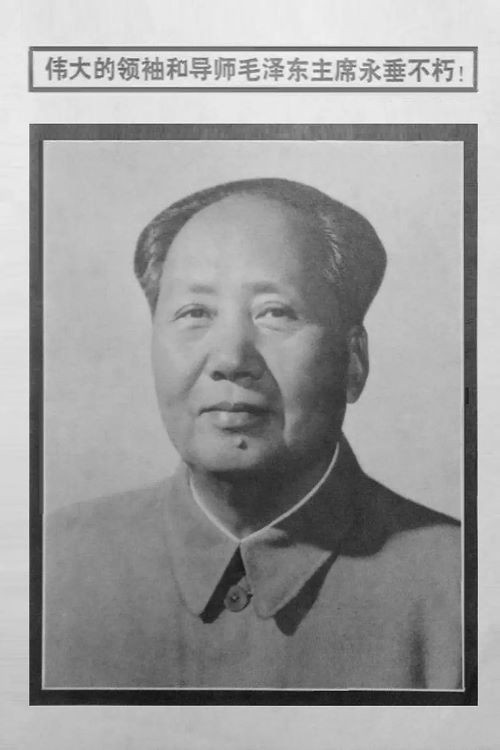
伟大的领袖和导师毛泽东主席永垂不朽 1976
伟大的领袖和导师毛泽东主席永垂不朽 (1976) stands as a monumental documentary capturing a pivotal moment in history, honoring the legacy of Mao Zedong, China's revered leader and guiding figure.
Frequently Asked Questions
What is 伟大的领袖和导师毛泽东主席永垂不朽 (1976) about?
This documentary chronicles the public mourning and state funeral of Mao Zedong, China's founding leader, following his death in 1976. It captures the national outpouring of grief through archival footage, speeches, and ceremonial tributes, offering a historical snapshot of a pivotal moment in Chinese history.
Who directed 伟大的领袖和导师毛泽东主席永垂不朽?
Director information is not available.
Who stars in 伟大的领袖和导师毛泽东主席永垂不朽?
The film features Mao Zedong posthumously through archival footage and speeches, along with countless unnamed mourners who participated in the public ceremonies.
Is 伟大的领袖和导师毛泽东主席永垂不朽 (1976) worth watching?
As a historical documentary, it offers invaluable insight into Mao Zedong's legacy and the cultural impact of his leadership. While it lacks narrative drama, its significance lies in its raw, emotional portrayal of national mourning, making it essential viewing for those interested in modern Chinese history.
How long is 伟大的领袖和导师毛泽东主席永垂不朽?
Runtime details are not listed.
About 伟大的领袖和导师毛泽东主席永垂不朽 (1976): The Ultimate Tribute to Mao Zedong
伟大的领袖和导师毛泽东主席永垂不朽 (1976) stands as a monumental documentary capturing a pivotal moment in history, honoring the legacy of Mao Zedong, China's revered leader and guiding figure. Released in the immediate aftermath of his passing, this film weaves together archival footage, speeches, and tributes to immortalize Mao's influence on a nation in mourning. The documentary's solemn tone reflects the deep respect and grief of the Chinese people, offering viewers a glimpse into the cultural and political reverence tied to Mao's leadership. Through meticulous editing, it transforms a personal farewell into a collective national experience, blending historical weight with emotional resonance.
As a testament to Mao's enduring impact, the film documents the outpouring of devotion from millions who lined the streets to pay their respects. The imagery—flags at half-mast, wreaths adorned with flowers, and mourners in silent procession—creates an atmosphere of both sorrow and unity. While specific cast and crew details remain elusive, the film's power lies in its ability to transcend individual performances, instead channeling the spirit of an era defined by one man's towering presence. For historians and cinephiles alike, 伟大的领袖和导师毛泽东主席永垂不朽 (1976) is more than a documentary; it's a cinematic elegy for a transformative leader.