03:04 2000
Director Huang Ting-fu's haunting 2000 short film *03:04* unfolds as a hypnotic meditation on wait and anticipation, weaving together everyday sights and sounds into a tapestry of fleeting moments.
Director: Huang Ting-fu
Frequently Asked Questions
What is 03:04 (2000) about?
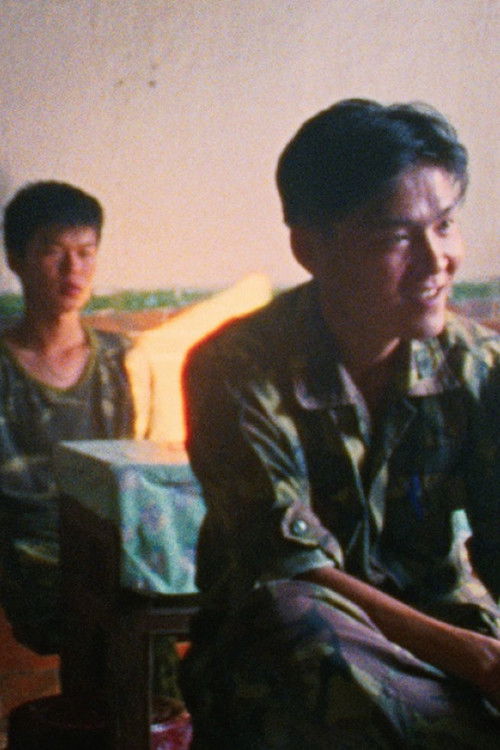
*03:04* is a poetic short documentary that captures the quiet tension of waiting—through soldiers counting days, old men facing coffins, and young people dreaming of escape. The film threads together mundane yet evocative imagery, turning everyday scenes into a meditation on time and transition.
Who directed 03:04?
Huang Ting-fu directed *03:04*. Known for his observational style, he crafts visually rich short films that blend realism with introspective storytelling.
Who stars in 03:04?
The cast of *03:04* is not publicly listed.
Is 03:04 (2000) worth watching?
Though unrated and experimental, *03:04 (2000)* offers a unique, atmospheric viewing experience best suited to fans of poetic documentaries. Its 16-minute runtime and thematic depth make it a compelling watch for those who appreciate slow cinema and symbolic storytelling.
How long is 03:04?
03:04 runs for 16 minutes.
About 03:04 (2000) — A Short Film of Waiting and Memory
Director Huang Ting-fu's haunting 2000 short film *03:04* unfolds as a hypnotic meditation on wait and anticipation, weaving together everyday sights and sounds into a tapestry of fleeting moments. Through fragmented television clips, steaming noodles, foggy bus windows, and the quiet resilience of rocks and recruits, the film captures the island's collective pulse—where time stretches thin for the young eager to leave and the old resigned to their fate. The 16-minute documentary feels like a dream half-remembered, dense with metaphors and mood, leaving viewers to decode its layered themes of exile, endurance, and the mundane beauty of waiting.
Shot in stark, observational style, *03:04 (2000)* transforms ordinary textures—army green uniforms, telephone card messages, soldiers counting days—into poetic symbols of stasis and transition. Huang Ting-fu crafts a visual poem that lingers long after the credits roll, balancing surreal touches with raw realism. It's less a story and more an experience, one that asks you to slow down, observe, and feel the weight of unspoken timelines.