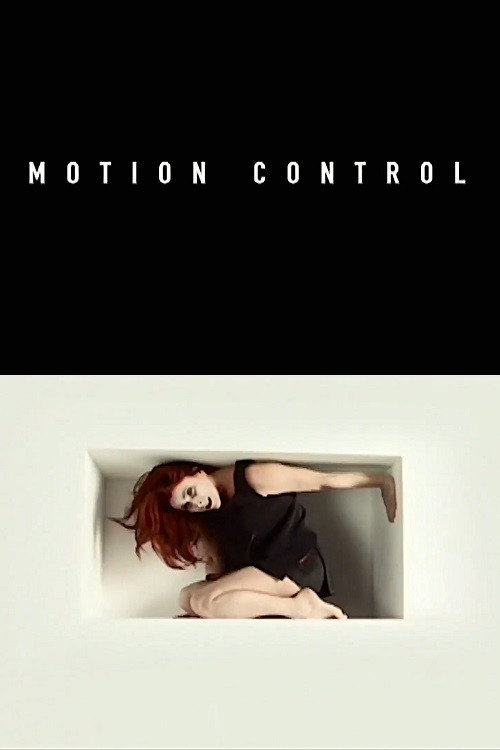
Motion Control 2001
David Anderson's *Motion Control (2001)* is a striking 35mm short film that peers through the lens of a camera to capture the poignant duality of aging and glamour.
Director: David Anderson
Cast
Frequently Asked Questions
What is Motion Control (2001) about?
*Motion Control* immerses viewers in the private world of an aging dancer whose physical and emotional struggles unfold through the camera's unflinching gaze. The film's experimental style blends dance performance with electro-opera and textured soundscapes to explore themes of entrapment, beauty, and the passage of time.
Who directed Motion Control?
*Motion Control* was directed by David Anderson, a filmmaker known for pushing the boundaries of visual storytelling and sound design.
Who stars in Motion Control?
The film stars Liz Aggiss, a celebrated dancer and choreographer whose presence anchors the film's raw emotional intensity.
Is Motion Control (2001) worth watching?
Though unrated on IMDb, *Motion Control* is a compelling watch for fans of experimental cinema and avant-garde dance films. Its brief runtime delivers a dense, atmospheric experience that lingers, making it ideal for those who appreciate bold, artistic storytelling.
How long is Motion Control?
*Motion Control* runs for 8 minutes.
About Motion Control (2001) — A Hypnotic Short Film of Dance, Music, and Emotional Entrapment
David Anderson's *Motion Control (2001)* is a striking 35mm short film that peers through the lens of a camera to capture the poignant duality of aging and glamour. Set against the dancer's intimate, claustrophobic spaces, the film immerses viewers in her physical confinement and emotional journey, blending raw performance with avant-garde sound design. Hypersound foley collides with textural layers and Billy Cowie's electro-opera, sung by soprano Naomi Itami, to craft an atmospheric meditation on time, artistry, and the body's relationship with space.
At once experimental and deeply human, *Motion Control* transforms the frame into a character itself, interrogating the tension between control and surrender in artistic expression. The result is a visceral, almost operatic visual poem that lingers long after the eight-minute runtime ends, challenging audiences to reconsider the boundaries between performer, space, and perception.