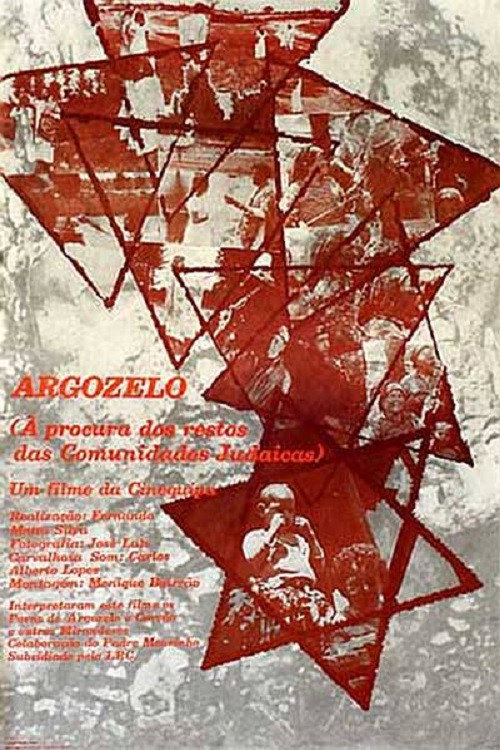
Argozelo 1977
Fernando Matos Silva's *Argozelo (1977)* offers a compelling snapshot of Portuguese rural life in the late 1970s, framed through the lens of a documentary that captures both the struggles and quiet resilience of a small community.
Director: Fernando Matos Silva
Frequently Asked Questions
What is Argozelo (1977) about?
This documentary delves into the daily lives of a Portuguese village in the aftermath of the 1974 Carnation Revolution, highlighting the tension between tradition and modernity. It captures the community's resilience as they navigate social and political shifts, offering a poignant look at rural life during a pivotal era.
Who directed Argozelo?
Fernando Matos Silva, a filmmaker celebrated for his socially conscious and visually striking documentaries, directed *Argozelo*.
Who stars in Argozelo?
Cast details for *Argozelo* are not widely documented, as the film focuses on the real-life experiences of the village community rather than named actors.
Is Argozelo (1977) worth watching?
As a documentary, *Argozelo* offers a rare glimpse into a transformative period of Portuguese history, making it valuable for fans of the genre. While it may lack mainstream appeal, its authenticity and thematic depth make it a worthwhile watch for those interested in social history and rural life.
How long is Argozelo?
Runtime details for *Argozelo* are not listed.
About Argozelo (1977) — Exploring rural Portugal in a post-revolution documentary
Fernando Matos Silva's *Argozelo (1977)* offers a compelling snapshot of Portuguese rural life in the late 1970s, framed through the lens of a documentary that captures both the struggles and quiet resilience of a small community. Set against the backdrop of post-revolution Portugal, the film immerses viewers in the daily rhythms of a village clinging to tradition amid social and political change. Through intimate storytelling and striking visuals, it explores themes of community, identity, and the slow but inevitable march of progress, all while preserving the raw authenticity of its subjects. The atmosphere is one of quiet observation, where every frame feels like a testament to a moment frozen in time.
Director Fernando Matos Silva, known for his evocative and socially conscious work, crafts a narrative that feels both personal and universal. Though the cast details aren't widely documented, the film's strength lies in its ability to elevate ordinary lives into extraordinary stories. *Argozelo (1977)* isn't just a historical document; it's a meditation on what it means to belong to a place—and how that place, in turn, shapes who you are.