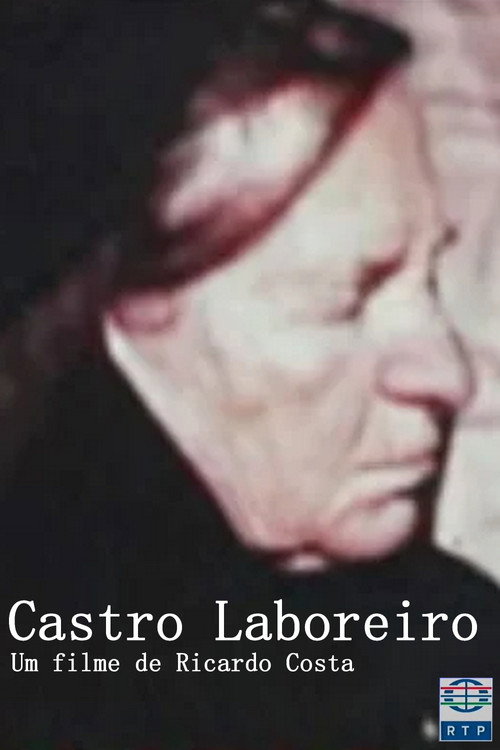
Castro Laboreiro 1980
Ricardo Costa's *Castro Laboreiro* (1980) immerses viewers in a raw, observational portrait of a remote Portuguese village frozen in time.
Director: Ricardo Costa
Cast
Frequently Asked Questions
What is Castro Laboreiro (1980) about?
This black-and-white documentary peels back the layers of Castro Laboreiro, a timeworn Portuguese village where tradition holds sway over the relentless march of modernity. Through quiet observation, the film documents the daily lives, struggles, and rituals of its inhabitants, painting a poignant picture of a community clinging to its identity.
Who directed Castro Laboreiro?
The film was directed by Ricardo Costa, a filmmaker known for his evocative documentaries that blend ethnography with visual poetry.
Who stars in Castro Laboreiro?
The documentary features the villagers of Castro Laboreiro, with Aníbal Rodrigues among the key local figures brought to life on screen.
Is Castro Laboreiro (1980) worth watching?
For those drawn to slow cinema and documentary-style storytelling, *Castro Laboreiro* offers a unique, meditative experience. Its stark aesthetic and thematic depth make it a rewarding watch, though viewers expecting a conventional narrative may find it challenging. Without a rating, its appeal hinges on personal taste for observational art.
How long is Castro Laboreiro?
Runtime details are not listed.
About Castro Laboreiro (1980) — A Stunning Portrait of Rural Life in Portugal
Ricardo Costa's *Castro Laboreiro* (1980) immerses viewers in a raw, observational portrait of a remote Portuguese village frozen in time. This documentary unfolds like a visual poem, capturing the rugged beauty of the Galician frontier where tradition clashes with the encroaching modern world. Through lingering shots of stone houses, winding paths, and the hardy locals—each frame drips with the weight of centuries—Costa crafts a meditative elegy for a way of life on the brink of disappearance. The film's stark, unflinching gaze lingers on rituals, silences, and the quiet resilience of its subjects, leaving audiences to ponder the fragility of heritage against progress.
Shot in black-and-white, *Castro Laboreiro* bathes its subjects in a timeless glow, blending ethnography with artistry. The director's lens treats the village not as a mere setting but as a living character, its rhythms and struggles mirroring universal themes of endurance and change. With minimal narration and a focus on real-life moments, the documentary becomes a hypnotic time capsule, inviting reflection on identity, community, and the echoes of the past in the present.