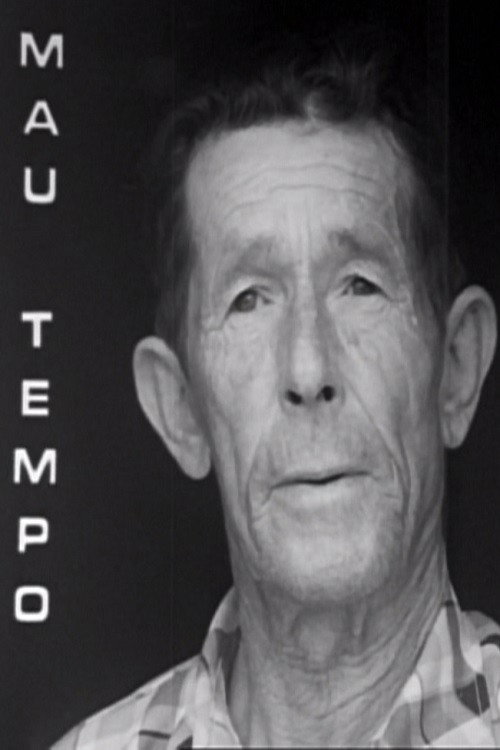
Mau Tempo 1977
Ricardo Costa's *Mau Tempo* (1977) captures a Portugal still reeling from political upheaval, weaving a raw, observational tapestry of everyday life through the lens of documentary.
Director: Ricardo Costa
Cast
Frequently Asked Questions
What is Mau Tempo (1977) about?
Ricardo Costa's documentary immerses viewers in 1970s Portugal, documenting the lives of real people navigating a country in political and social transition. The camera captures the rhythms of daily life, from laborers to families, painting a vivid portrait of resilience amid uncertainty.
Who directed Mau Tempo?
The film was directed by Ricardo Costa, a filmmaker known for his documentaries that prioritize social realism and intimate observation.
Who stars in Mau Tempo?
The documentary features Manuel Pardal and Abílio Delca as central figures, though their roles are as authentic witnesses to the era rather than traditional actors.
Is Mau Tempo (1977) worth watching?
As a historical and artistic document, *Mau Tempo* offers a unique window into Portugal's past, making it a compelling watch for fans of social realism and documentary cinema. Its unfiltered portrayal of life in the 1970s provides both cultural insight and cinematic intrigue.
How long is Mau Tempo?
Runtime details are not listed.
About Mau Tempo (1977) — Documentary Capturing Portugal's Social Realism
Ricardo Costa's *Mau Tempo* (1977) captures a Portugal still reeling from political upheaval, weaving a raw, observational tapestry of everyday life through the lens of documentary. Manuel Pardal and Abílio Delca step into the frame not as actors, but as living witnesses to a society in flux, their presence grounding the film in authenticity. The documentary's monochrome palette and unflinching focus on social realism evoke the stark beauty of a nation wrestling with identity, labor, and resilience.
As a visual and historical artifact, *Mau Tempo* transcends its era, offering viewers a glimpse into the textures of 1970s Portugal—its streets, voices, and unspoken tensions. The film's atmosphere is one of quiet urgency, where the camera lingers on faces and landscapes to reveal the human cost of political and economic change. It's less a story with a beginning or end, and more a mood, a testament to the enduring power of documentary as a mirror held up to society.