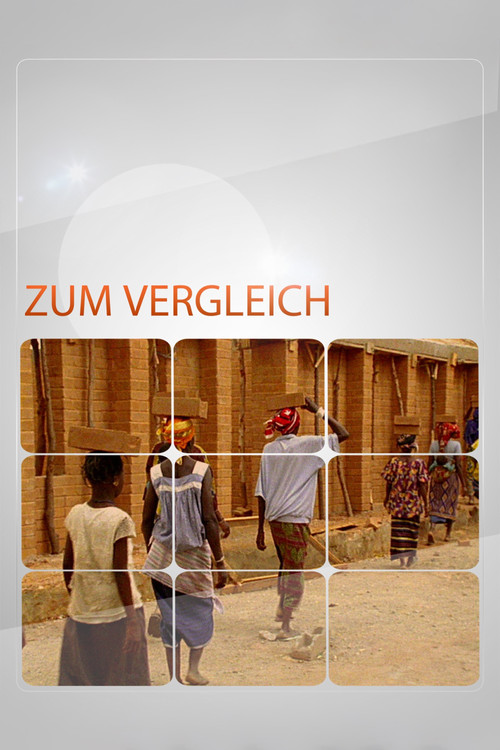
In Comparison 2009
Harun Farocki's *In Comparison (2009)* is a meditative documentary that explores the humble brick—not just as a building material, but as a mirror of human labor, culture, and collaboration.
Director: Harun Farocki
Frequently Asked Questions
What is In Comparison (2009) about?
*In Comparison* follows the unassuming brick as it moves from manual craftsmanship in Burkina Faso to automated factories in Europe. The film juxtaposes the collective labor of building a community clinic with the precision of industrial production, offering a subtle commentary on global labor and material culture.
Who directed In Comparison?
Harun Farocki, the acclaimed German filmmaker known for his documentaries that dissect labor, technology, and society, directed *In Comparison*.
Who stars in In Comparison?
Cast details for *In Comparison (2009)* are not publicly listed, as the film focuses on collective labor and processes rather than individual performances.
Is In Comparison (2009) worth watching?
As a documentary, *In Comparison* may appeal more to fans of experimental or essay films than traditional narratives. Its 61-minute runtime and contemplative style reward patience, but casual viewers might find it slow-paced. For those interested in Farocki's work or the intersection of labor and art, it's a compelling watch.
How long is In Comparison?
*In Comparison (2009)* has a runtime of 61 minutes.
About In Comparison (2009) — A Thought-Provoking Documentary on Bricks and Human Labor
Harun Farocki's *In Comparison (2009)* is a meditative documentary that explores the humble brick—not just as a building material, but as a mirror of human labor, culture, and collaboration. Traveling across Burkina Faso, India, Germany, France, Austria, and Switzerland, the film contrasts the communal effort of constructing a rural clinic with the mechanized precision of industrial brick production. Farocki's signature structural rigor and rhythmic pacing transform this seemingly mundane subject into a poetic reflection on how societies shape—and are shaped by—their environments. The documentary's quiet intensity lingers long after the credits, inviting viewers to rethink the objects we take for granted.
Through its split-screen compositions and observational lens, *In Comparison* transcends its documentary roots, blurring the line between art and ethnography. The film's global scope underscores humanity's shared struggles and ingenuity, while its deliberate pacing challenges modern audiences accustomed to faster-paced visuals. Whether you're a film enthusiast or simply curious about the hidden stories behind everyday objects, this 61-minute journey offers a quietly profound experience.