Koločava 2002
Koločava (2002) transports audiences into a dramatic and musical retelling of Ivan Olbracht's classic novel *Nikola Šuhaj the Robber*, set against the rugged backdrop of Eastern European folklore.
Director: Stanislav Moša
Cast
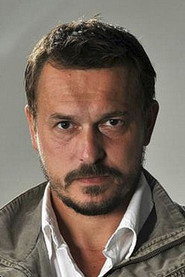
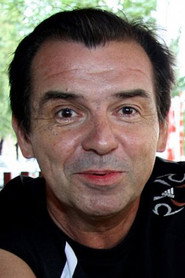
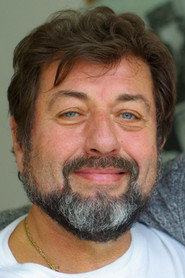


Frequently Asked Questions
What is Koločava (2002) about?
Koločava (2002) follows the life of Nikola Šuhaj, a rebellious outlaw whose journey through the rugged landscapes of Central Europe becomes a symbol of both freedom and tragedy. Inspired by Ivan Olbracht's novel, the film blends drama and folk music to explore themes of resistance and the human spirit.
Who directed Koločava?
Koločava was directed by Stanislav Moša, bringing his vision to this dramatic and musical adaptation of a classic story.
Who stars in Koločava?
The film stars Petr Štěpán, Markéta Sedláčková, Erik Pardus, Zdeněk Junák, and Eva Jelínková in key roles.
Is Koločava (2002) worth watching?
While Koločava (2002) isn't rated on IMDb, its unique blend of drama and folk music offers a captivating experience for fans of historical storytelling and musical films. The adaptation's cultural significance and theatrical roots make it a standout for those seeking something different.
How long is Koločava?
Runtime details for Koločava (2002) are not listed.
Koločava (2002): A Dramatic Musical Retelling of Ivan Olbracht's Classic — Full Movie Info
Koločava (2002) transports audiences into a dramatic and musical retelling of Ivan Olbracht's classic novel *Nikola Šuhaj the Robber*, set against the rugged backdrop of Eastern European folklore. Directed by Stanislav Moša, this film blends raw storytelling with powerful musical numbers, drawing inspiration from Petr Ulrych's iconic 1974 LP that captivated audiences and even spawned the beloved band Javory. The atmosphere is steeped in rebellion and nostalgia, as the narrative follows the life of a charismatic outlaw whose defiance against authority weaves a tale of freedom and tragedy.
With a cast led by Petr Štěpán, Markéta Sedláčková, and Erik Pardus, Koločava (2002) merges drama and music into a visceral experience that celebrates folk traditions while exploring the cost of living outside societal norms. The film's visual and auditory style, rooted in Czech theater, creates an immersive experience that lingers long after the final note. Whether you're drawn to its historical resonance or its rhythmic energy, this adaptation offers a compelling fusion of story and song.