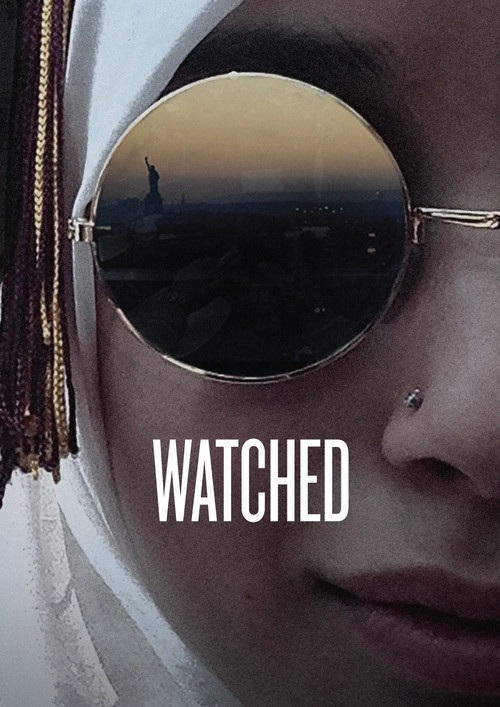
Watched 2017
"An intimate and moving exploration of the experience of coming of age - under the gaze of state surveillance."
Directed by Katie Mitchell, *Watched (2017)* is a poignant 20-minute documentary that delves into the quiet yet profound ways surveillance shapes lives.
Director: Katie Mitchell
Frequently Asked Questions
What is Watched (2017) about?
*Watched (2017)* follows two Muslim American women in New York as they navigate the emotional and psychological impact of state surveillance during their formative years. The film explores how constant observation reshapes their sense of self and community.
Who directed Watched?
The film was directed by Katie Mitchell, whose sensitive approach brings nuance to a deeply personal and often overlooked issue.
Who stars in Watched?
While the cast is not publicly listed, *Watched (2017)* centers on the real-life experiences of two young women whose stories drive the documentary.
Is Watched (2017) worth watching?
Though unrated on IMDb, *Watched (2017)* offers a rare, intimate look at a pressing social issue through the lens of personal struggle. Its concise runtime makes it accessible, while its emotional depth lingers long after viewing.
How long is Watched?
The documentary runs for 20 minutes.
About Watched (2017) — A Short Documentary on Surveillance's Human Toll
Directed by Katie Mitchell, *Watched (2017)* is a poignant 20-minute documentary that delves into the quiet yet profound ways surveillance shapes lives. Through the personal stories of two young Muslim women coming of age in New York, the film captures the emotional and psychological weight of being constantly observed by the state. With a tone both intimate and unsettling, it peels back the layers of a community scarred by suspicion, revealing the human cost of policies often discussed in abstract terms.
Premiering at the 2017 Tribeca Film Festival, *Watched (2017)* transforms a heavy subject into a deeply human experience. The documentary's restrained yet powerful storytelling underscores how surveillance doesn't just monitor—it transforms identities, relationships, and futures. For anyone curious about the intersection of privacy, identity, and policy, Mitchell's film is a compelling starting point.