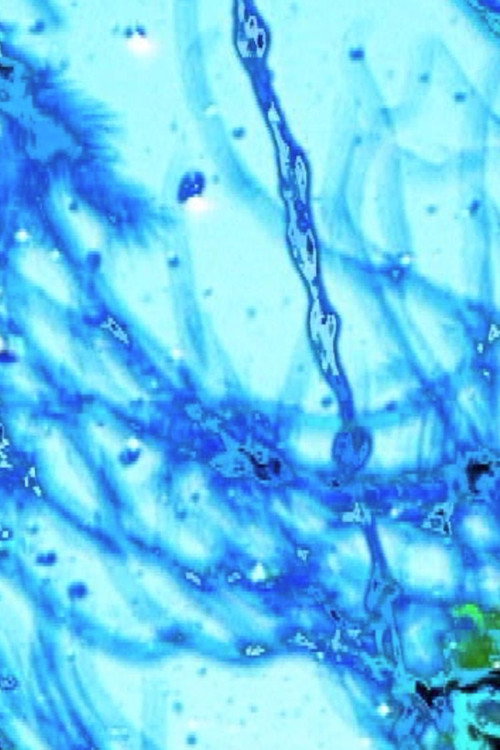
life never ever like before 2002
Step into the minimalist yet evocative world of *Life Never Ever Like Before* (2002), a three-minute cinematic vignette crafted by director Masakatsu Takagi.
Director: Masakatsu Takagi
Frequently Asked Questions
What is *Life Never Ever Like Before* (2002) about?
This ultra-short film by Masakatsu Takagi distills a moment in time into just three minutes, exploring the raw, unfiltered essence of an unnamed experience. It's less about plot and more about the emotions that linger in life's smallest, most overlooked fragments.
Who directed *Life Never Ever Like Before*?
The film was directed by Masakatsu Takagi, a Japanese filmmaker known for his concise yet impactful storytelling.
Who stars in *Life Never Ever Like Before*?
The cast details for this short film are not publicly listed.
Is *Life Never Ever Like Before* (2002) worth watching?
Given its brief runtime and abstract nature, it's more of an artistic curiosity than a mainstream pick. Fans of experimental cinema or atmospheric short films may find it intriguing, though its lack of narrative may leave others wanting more.
How long is *Life Never Ever Like Before*?
The runtime is approximately 3 minutes.
About Life Never Ever Like Before (2002) — A Three-Minute Cinematic Reflection
Step into the minimalist yet evocative world of *Life Never Ever Like Before* (2002), a three-minute cinematic vignette crafted by director Masakatsu Takagi. This fleeting yet memorable film distills raw emotion into its brief runtime, inviting viewers to ponder the fleeting nature of moments and the unspoken stories they carry. Though sparse in details, the piece lingers like a quiet observation—an intimate glimpse into a slice of existence that feels both universal and deeply personal.
The director's signature touch lingers in every frame, blending simplicity with haunting subtlety. While the cast remains uncredited, the focus shifts from individual performances to the mood itself—a contemplative atmosphere that lingers long after the credits roll. It's a film that thrives on atmosphere, where the absence of dialogue or overt narrative invites audiences to fill the silence with their own reflections.