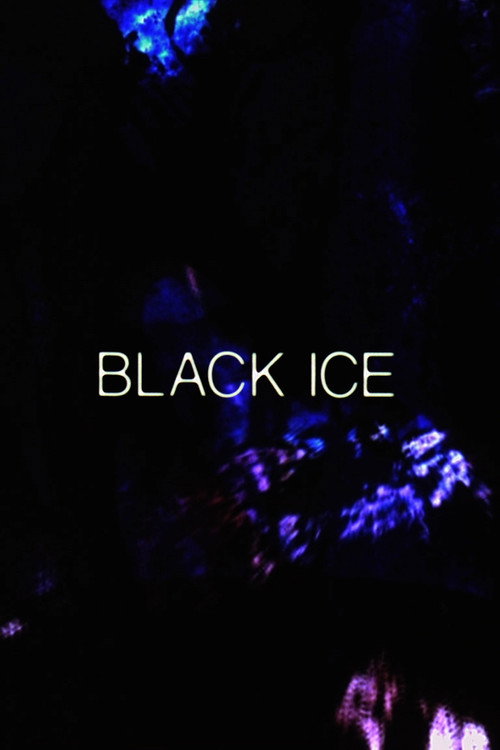
Black Ice 1994
Black Ice (1994) is an experimental animated short that distills a personal tragedy into a hypnotic visual meditation.
Director: Stan Brakhage
Frequently Asked Questions
What is Black Ice (1994) about?
This experimental animated short translates Stan Brakhage's real-life fall on black ice into a poetic nightmare of fractured light and fractured vision. The film delves into the psychological and physical aftermath of such an accident, using abstract imagery to recreate the disorienting sensation of near-trauma.
Who directed Black Ice?
Stan Brakhage directed Black Ice (1994). A pioneering figure in experimental cinema, Brakhage's work often explored the limits of perception and vision.
Who stars in Black Ice?
Cast details for Black Ice (1994) are not publicly listed.
Is Black Ice (1994) worth watching?
For fans of avant-garde animation and experimental filmmaking, Black Ice (1994) offers a brief but powerful experience. Its three-minute runtime and abstract approach may not appeal to everyone, but its emotional depth and artistic ambition make it a compelling watch.
How long is Black Ice?
Black Ice (1994) has a runtime of 3 minutes.
About Black Ice (1994) — Stan Brakhage's surreal animated meditation on fear and vision
Black Ice (1994) is an experimental animated short that distills a personal tragedy into a hypnotic visual meditation. Inspired by Stan Brakhage's harrowing fall on black ice, the film transforms pain into a visceral exploration of closed-eye perception, where fear and refraction blend into a surreal dream sequence. Its three-minute runtime packs an emotional punch, using abstract imagery to evoke the disorientation of near-accidents and the fragility of human vision. The piece captures the liminal space between consciousness and unconsciousness, where light dances across the retina like fractured glass.
Directed by the visionary Stan Brakhage, known for his avant-garde approach to filmmaking, Black Ice leans into the raw, unfiltered language of personal trauma rendered through animation. Though the cast details remain undisclosed, Brakhage's signature style ensures the work speaks for itself—layering color, movement, and emotion into a haunting, almost subconscious experience. The film's themes of vulnerability and ephemeral perception resonate deeply, making it a standout in experimental cinema.