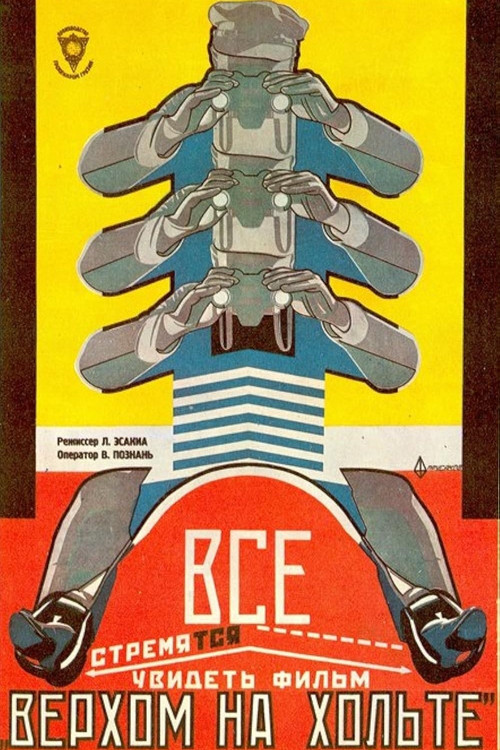
ჰოლტზე 1928
Step into the dramatic transformation of early 20th-century Georgian rural life with *ჰოლტზე (1928)*, a groundbreaking historical drama directed by Leo Esakia.
Director: Leo Esakia
Cast
Frequently Asked Questions
What is *ჰოლტზე (1928)* about?
This Georgian historical drama follows a newly formed collective farm as it faces the challenges of early mechanization. The arrival of the 'Holtze' tractor—a powerful symbol of progress—becomes a focal point for the villagers' struggles and dreams, showcasing the clash between tradition and modernity.
Who directed *ჰოლტზე*?
The film was directed by Leo Esakia, a pioneering figure in early Georgian cinema known for capturing the social and cultural shifts of his time.
Who stars in *ჰოლტზე*?
The film features Shalva Khomeriki, Pavle Mkheidze, and Aleqsandre Jaliashvili in its lead roles, bringing depth to the characters navigating the farm's transformation.
Is *ჰოლტზე (1928)* worth watching?
Though unrated on IMDb, *ჰოლტზე* offers a fascinating glimpse into Georgian agricultural history and early cinema. Its historical context and dramatic tension make it a compelling watch for fans of silent-era films and Soviet cinema.
How long is *ჰოლტზე*?
The film has a runtime of 65 minutes.
About *ჰოლტზე (1928)*: The Tractor That Shook a Georgian Village — Full Movie Info
Step into the dramatic transformation of early 20th-century Georgian rural life with *ჰოლტზე (1928)*, a groundbreaking historical drama directed by Leo Esakia. This 65-minute silent film captures the tension and hope of a newly established kolkhoz, or collective farm, as it grapples with the arrival of a modern marvel: the foreign-built tractor 'Holtze' sent from the city. Starring Shalva Khomeriki, Pavle Mkheidze, and Aleqsandre Jaliashvili, the film weaves together the struggles of villagers adapting to mechanized farming with themes of progress, resistance, and communal ambition. The black-and-white cinematography immerses viewers in a world on the cusp of change, where tradition meets innovation under the shadow of Soviet-era ideals.
At its heart, *ჰოლტზე (1928)* is a story about the human cost of modernization and the collective will to overcome outdated systems. Esakia's direction infuses the narrative with emotional depth, highlighting the desperation of farmers clinging to outdated tools while yearning for the efficiency promised by the 'Holtze' tractor. The film's historical significance lies in its portrayal of a pivotal moment in Georgian agriculture, blending drama with a subtle critique of the challenges faced by rural communities during a time of sweeping societal shifts.