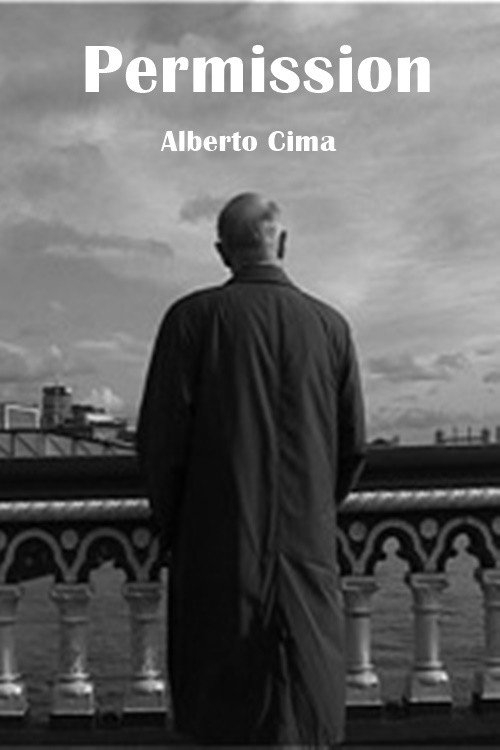
Permission 2008
Permission (2008), directed by Alberto Cima, is a provocative documentary that peels back the layers of London's rigid social hierarchy.
Director: Alberto Cima
Frequently Asked Questions
What is Permission (2008) about?
Alberto Cima's documentary examines London's hidden class divides and systemic surveillance, where access to public spaces is controlled by economic privilege. The film follows the daily routines of marginalized communities and the institutions that reinforce their exclusion, all through an unflinching lens. It's a critique of how power structures maintain order through quiet oppression.
Who directed Permission?
Permission (2008) was directed by Alberto Cima, an Italian filmmaker known for his socially conscious documentaries that challenge systemic inequities.
Who stars in Permission?
As a documentary, *Permission* focuses on the real-life individuals navigating London's social landscape rather than traditional actors.
Is Permission (2008) worth watching?
While it lacks an IMDb rating, *Permission* offers a bold, timely look at class and surveillance that resonates with fans of documentary cinema. Its raw portrayal of inequality makes it a thought-provoking watch for anyone interested in urban sociology or political documentaries.
How long is Permission?
Runtime details for Permission (2008) are not listed.
About Permission (2008) — A Documentary on Surveillance and Social Divides
Permission (2008), directed by Alberto Cima, is a provocative documentary that peels back the layers of London's rigid social hierarchy. The film paints a stark portrait of a city where class divisions are etched into the landscape—Indian shopkeepers running minimarkets while British elites move through luxury spaces with unquestioned privilege. At its core, it's a meditation on surveillance and control, revealing how even institutions like the British Library enforce exclusionary systems where access is granted only to those with the right passes. The atmosphere is tense, almost dystopian, as hidden cameras capture the mundane yet oppressive rituals of a society that polices itself through silent obedience.
Cima's lens exposes the contradictions of progress under capitalism, where private property and corporate power dictate who belongs and who doesn't. The film's title, *Permission*, becomes a biting metaphor for the layers of authorization required just to exist in public spaces. It's not just about physical barriers but the psychological ones—how social norms and economic structures condition people to accept their roles as either watchers or watched. A raw, observational study of inequality, *Permission* challenges viewers to question who really holds the keys to the city—and at what cost to humanity.