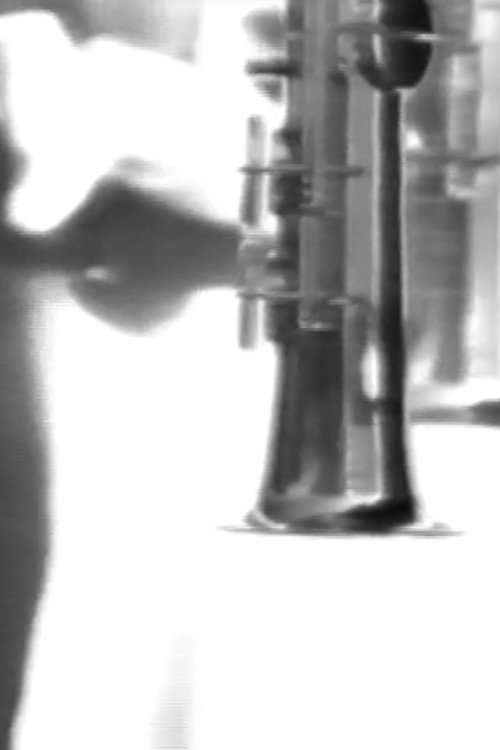
Sax soprano due 1980
Sax soprano due (1980) is an experimental short film by visionary director Michele Sambin that dives into the hypnotic interplay of sound and visual abstraction.
Director: Michele Sambin
Frequently Asked Questions
What is Sax soprano due (1980) about?
Sax soprano due is an experimental short film that transforms live saxophone music and real-time video into a hypnotic sequence of abstract images. Through looping and rhythmic repetition, the film evolves from concrete sounds and shapes into fluid, dreamlike visuals that retain the original performance's cadence.
Who directed Sax soprano due?
Sax soprano due was directed by Michele Sambin, an innovative filmmaker known for exploring experimental techniques that merge music and visual art.
Who stars in Sax soprano due?
The film features an uncredited performer on the soprano saxophone, whose improvisational playing drives the entire audiovisual experience.
Is Sax soprano due (1980) worth watching?
Though unrated and experimental, Sax soprano due offers a unique seven-minute glimpse into early audiovisual experimentation. Its abstract nature may appeal most to fans of avant-garde cinema, making it a curious watch for those interested in the intersection of music and moving image art.
How long is Sax soprano due?
The film runs for approximately 4 minutes.
Sax soprano due (1980): Exploring Sound and Vision in Experimental Cinema
Sax soprano due (1980) is an experimental short film by visionary director Michele Sambin that dives into the hypnotic interplay of sound and visual abstraction. Shot in just four minutes, the film begins with raw real-time imagery and soundscapes created with a soprano saxophone, layering loops to generate a mesmerizing cascade of morphing shapes and rhythms. Sambin strips away conventional narrative to focus on the raw materiality of audio-visual artistry, transforming immediate performance into cascading sequences of pure abstraction while maintaining an underlying pulse that ties the experiment to its sonic origins.
This avant-garde piece explores the boundaries between music and image, where the saxophone's breath becomes both melody and motion. The film's minimal runtime belies its density—each loop builds on the last, pulling viewers into a trance-like state where sound and vision blur into a single immersive experience. For fans of experimental cinema and abstract art, Sax soprano due offers a brief but intense encounter with the creative potential of real-time media manipulation, leaving a lasting impression of rhythm, transformation, and artistic freedom.