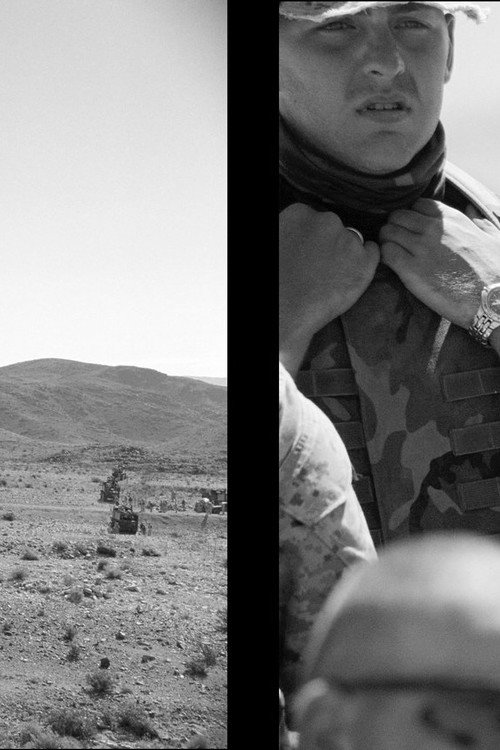
29 Palms 2005
Artist An-My Lê turns the stark desert training grounds near Joshua Tree National Park into a haunting reflection on modern warfare with *29 Palms* (2005).
Director: An-My Lê
Frequently Asked Questions
What is 29 Palms (2005) about?
*29 Palms* explores the military training grounds of Joshua Tree National Park as a metaphor for the conflicts in Iraq and Afghanistan. Using black-and-white film, the eight-minute documentary captures soldiers in staged exercises that feel eerily real, blending artistry with the weight of impending war. It's a study of tension, preparation, and the psychological landscape of modern conflict.
Who directed 29 Palms?
29 Palms was directed by An-My Lê, a Vietnamese-American artist known for her photographic and film work that bridges documentary and conceptual art.
Who stars in 29 Palms?
Runtime details are not listed.
Is 29 Palms (2005) worth watching?
As a short documentary with a strong artistic vision, *29 Palms* stands out for its evocative use of film and silence. While it may not be a mainstream watch, its themes and execution make it compelling for those interested in war as a subject of art and reflection.
How long is 29 Palms?
29 Palms has a runtime of 8 minutes.
About 29 Palms (2005) — A Silent Desert Reflection on War's Unseen Echoes
Artist An-My Lê turns the stark desert training grounds near Joshua Tree National Park into a haunting reflection on modern warfare with *29 Palms* (2005). Shot in striking black-and-white 35mm film and presented as a silent, two-channel projection, the eight-minute documentary blurs the line between military exercise and real conflict, using the California desert as a stand-in for Iraq and Afghanistan. Lê's work doesn't just document soldiers in motion—it evokes the weight of unseen battles, capturing the tension between preparation and inevitability in a way that feels both timeless and urgently contemporary.
The film's minimalist approach strips away narrative noise, leaving only the raw visual poetry of war's afterimage. Without a single spoken word, the silent footage of troops maneuvering through the arid landscape speaks volumes about the psychological and physical toll of combat. By framing military drills as a form of performance art, Lê challenges viewers to confront the unsettling beauty of destruction and the quiet dread of what's to come.