Ikeru isu 1945
Ikeru isu (1945), directed by Akira Nobuchi, is a poignant snapshot of post-war Japan, where the simplicity of everyday objects clashes with the weight of human resilience.
Director: Akira Nobuchi
Cast
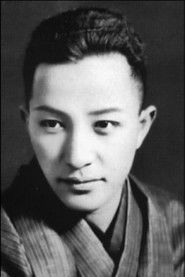

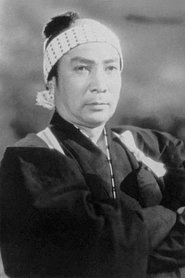

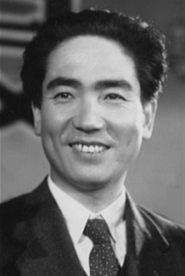
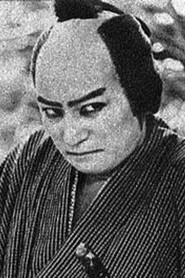
Frequently Asked Questions
What is Ikeru isu (1945) about?
Ikeru isu follows the lives of ordinary people in post-war Japan, where the simple act of sitting in a chair becomes a metaphor for endurance. The film explores how small comforts and daily routines help individuals cope with loss and societal upheaval after the war.
Who directed Ikeru isu?
Akira Nobuchi directed Ikeru isu. His precise, understated style brings a sense of realism and emotional weight to the film, shaping its reflective tone.
Who stars in Ikeru isu?
The film stars Tsumasaburō Bandō, Kiyoko Hirai, Kensaku Hara, Mieko Takamine, and Ryūnosuke Tsukigata, with standout performances that ground the story in authenticity.
Is Ikeru isu (1945) worth watching?
Given its historical significance and restrained storytelling, Ikeru isu is a must-watch for fans of classic Japanese cinema. The film's emotional depth and atmospheric direction make it a rewarding experience, even if it flies under the radar today.
How long is Ikeru isu?
Ikeru isu runs for 74 minutes.
About Ikeru isu (1945) — A Glimpse into Post-War Japan's Quiet Strength
Ikeru isu (1945), directed by Akira Nobuchi, is a poignant snapshot of post-war Japan, where the simplicity of everyday objects clashes with the weight of human resilience. The film's title, translating to "The Chair That Sits," hints at its quiet focus on mundanity and endurance, as it follows lives reshaped by loss and reconstruction. With a runtime of just 74 minutes, this black-and-white drama unfolds like a haiku—delicate yet deeply affecting, revealing how small comforts ground people in turbulent times. Stars like Tsumasaburō Bandō and Mieko Takamine bring gravitas to the screen, their performances anchored in the era's restrained emotional palette, while Nobuchi's direction crafts an atmosphere of quiet reflection.
Though the genre remains unlisted, Ikeru isu feels like a slice-of-life drama steeped in social realism, where the absence of bombast makes its themes of survival and hope resonate all the more. The film's understated tone mirrors the era's collective mood—hopeful yet burdened by the scars of war. Its brevity belies its emotional depth, making it a compelling watch for fans of historical Japanese cinema or anyone drawn to stories where resilience is the real protagonist.