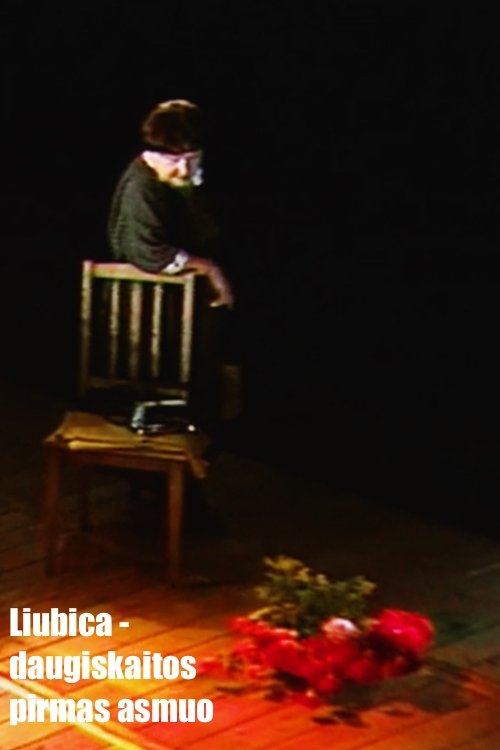
Ljubica the First Person Plural 1989
Ljubica the First Person Plural (1989), directed by Algimantas Galinis, is a striking one-woman drama that immerses viewers in the stark realities of socialist society through the powerful monologues of Kazimiera Kymantaitė.
Director: Algimantas Galinis
Cast
Frequently Asked Questions
What is Ljubica the First Person Plural (1989) about?
This intimate drama follows a dedicated woman whose monologues reveal the hidden struggles of life in a socialist society. Through her reflections, the film exposes the fragile balance between personal commitment and societal expectations, offering a deeply human perspective on an era often shrouded in propaganda.
Who directed Ljubica the First Person Plural?
Algimantas Galinis directed this poignant one-woman drama, known for his ability to extract raw emotional performances from his actors.
Who stars in Ljubica the First Person Plural?
The film stars Kazimiera Kymantaitė in a powerhouse performance that anchors the entire narrative.
Is Ljubica the First Person Plural (1989) worth watching?
Though unrated on IMDb, this 77-minute character study offers a rare glimpse into Soviet-era life through a deeply personal lens. Fans of intense dramas with strong performances will find much to appreciate in its quiet intensity and emotional depth.
How long is Ljubica the First Person Plural?
The runtime is 77 minutes.
About Ljubica the First Person Plural (1989) — A Haunting One-Woman Drama of Soviet Reality
Ljubica the First Person Plural (1989), directed by Algimantas Galinis, is a striking one-woman drama that immerses viewers in the stark realities of socialist society through the powerful monologues of Kazimiera Kymantaitė. This 77-minute film strips away pretense, presenting a raw portrait of a woman whose unwavering dedication to her work becomes a lens to examine the intricate web of relationships and societal norms of her time. Galinis crafts an atmosphere of quiet intensity, where every word carries weight and every silence speaks volumes about the unspoken struggles of ordinary lives under an oppressive system.
Without a single supporting character in sight, the film relies entirely on Kymantaitė's commanding performance to deliver a deeply personal yet universally resonant story. The narrative unfolds as a deeply human exploration of identity, sacrifice, and the quiet heroism found in the mundane. It's a cinematic experience that lingers long after the credits roll, inviting reflection on how personal commitment and societal expectations can both shape and confine an individual.