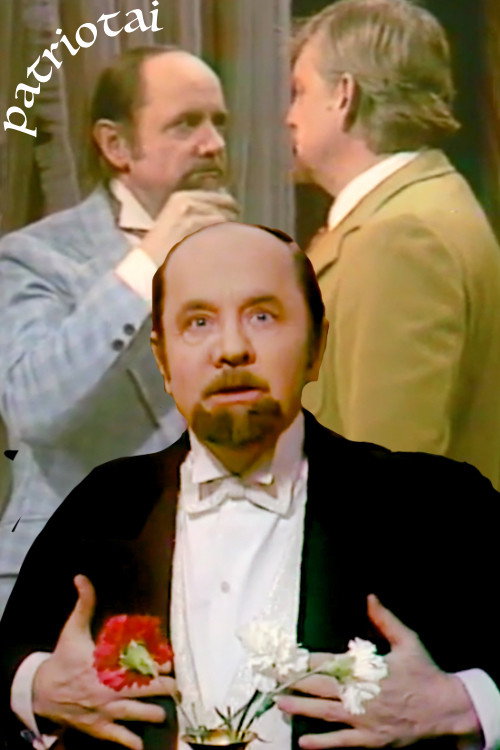
Patriots 1980
Patriots (1980), a sharp Lithuanian comedy directed by Mamertas Karklelis, dives into the murky waters of bureaucracy and moral decay.
Director: Mamertas Karklelis
Cast



Frequently Asked Questions
What is Patriots (1980) about?
Patriots (1980) follows the tangled lives of officials and intellectuals as they navigate a world where money and influence distort morality. The film contrasts the decadence of those in power with the principles of the intelligentsia, all while exposing the absurdity of a system resistant to change.
Who directed Patriots?
Patriots was directed by Mamertas Karklelis, a Lithuanian filmmaker known for his sharp social commentary and keen eye for satire.
Who stars in Patriots?
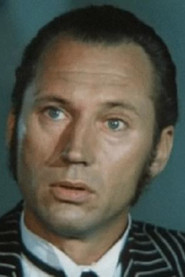
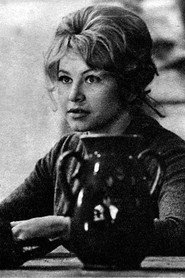
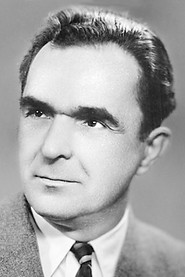
The film features Juozas Meškauskas, Vaiva Mainelytė, Regina Arbačiauskaitė, Audris Chadaravičius, and Vytautas Dumšaitis in key roles.
Is Patriots (1980) worth watching?
As an unrated comedy from 1980, Patriots offers a rare glimpse into Soviet-era satire, blending humor with biting social critique. While not a modern blockbuster, its themes of corruption and moral compromise remain relevant, making it a curious pick for fans of classic cinema.
How long is Patriots?
Patriots runs for 90 minutes.
About Patriots (1980) — A biting Soviet-era comedy on power and corruption
Patriots (1980), a sharp Lithuanian comedy directed by Mamertas Karklelis, dives into the murky waters of bureaucracy and moral decay. The film contrasts the greed and hypocrisy of officials with the quiet integrity of the intelligentsia, weaving a satirical tale where power and privilege corrupt even the most decent individuals. Through a series of comical yet biting situations, the story explores the futility of expecting change in a system designed to perpetuate itself, leaving audiences both amused and unsettled by its unflinching portrayal of human nature.
Starring Juozas Meškauskas, Vaiva Mainelytė, and Regina Arbačiauskaitė, Patriots (1980) blends humor with social critique, capturing the tension between tradition and the allure of a 'good life.' The film's atmosphere is one of dark irony, where laughter and cynicism intertwine, reflecting the era's unique blend of Soviet-era pressures and timeless human flaws.