Água, Açúcar e Sal 1979
In the tense autumn of 1979, as Brazil's military dictatorship tightened its grip, prisoners at Rio de Janeiro's Frei Caneca jail launched a daring hunger strike.
Director: Noilton Nunes
Frequently Asked Questions
What is Água, Açúcar e Sal (1979) about?
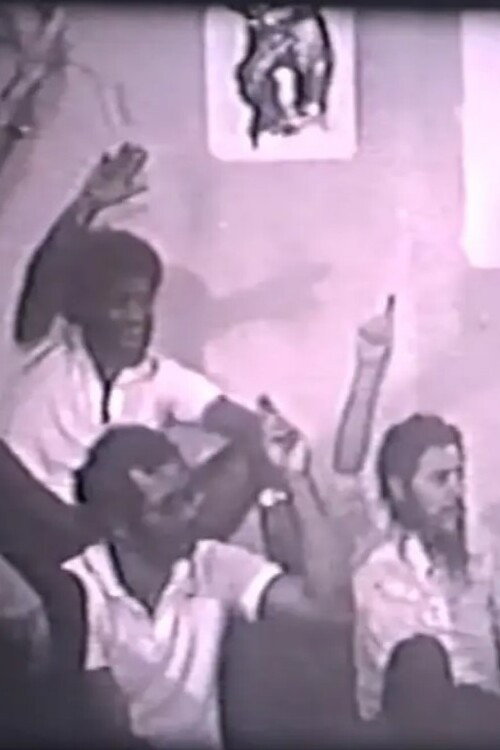
In August 1979, political prisoners in Rio de Janeiro launched a hunger strike to demand broader amnesty laws under Brazil's military regime. To document their struggle and amplify their voices, they secretly produced *Água, Açúcar e Sal*, a short film crafted behind bars as both protest and testament.
Who directed Água, Açúcar e Sal?
The film was directed by Noilton Nunes, who captured the raw spirit of resistance through a clandestine lens.
Who stars in Água, Açúcar e Sal?
Director information is not available.
Is Água, Açúcar e Sal (1979) worth watching?
Though unrated on IMDb, its historical significance as a document of civil courage and cinematic ingenuity makes it compelling for students of politics and film alike. As a time-capsule of bravery, it offers more than entertainment—it delivers a moment of reckoning.
How long is Água, Açúcar e Sal?
Runtime details are not listed.
About Água, Açúcar e Sal (1979) — Brazil's underground prison protest film that shook a dictatorship
In the tense autumn of 1979, as Brazil's military dictatorship tightened its grip, prisoners at Rio de Janeiro's Frei Caneca jail launched a daring hunger strike. Their protest wasn't just about survival—it was a demand for justice and freedom, pushing for an expanded Amnesty Law that could include those who had taken lives in political struggle. Hidden within the shadows of the prison walls, a clandestine short film called *Água, Açúcar e Sal* was born, capturing the raw determination of those willing to risk everything for dignity under oppression.
Directed by Noilton Nunes, this gripping documentary stands as a testament to art as resistance, blending urgency with quiet defiance. Shot in secret and smuggled out, the film mirrors the flicker of hope that refused to be extinguished during one of the nation's darkest chapters, reminding us how cinema can become both weapon and witness in the fight for human rights.