
Sleeping Flower 2005
Dive into the emotionally charged world of *Sleeping Flower (2005)*, a drama directed by Kensaku Kakimoto that explores the delicate balance between hope and despair.
Director: Kensaku Kakimoto
Cast




Frequently Asked Questions
What is Sleeping Flower (2005) about?
Sleeping Flower is a drama that delves into the emotional paralysis of its characters, who grapple with personal struggles that leave them feeling trapped in their own lives. The film examines their journeys toward self-discovery and resilience, set against a backdrop of quiet, introspective storytelling.
Who directed Sleeping Flower?
Kensaku Kakimoto directed Sleeping Flower (2005), bringing a measured, atmospheric style to this emotionally driven drama.
Who stars in Sleeping Flower?
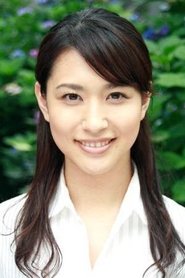
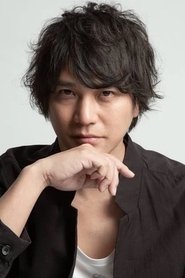
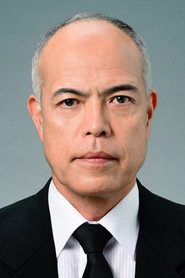
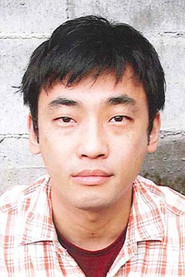
The film stars Risa Kudo, Miho Fujima, Hassei Takano, Yoji Tanaka, and Asami Imajuku, with each actor delivering a performance that anchors the film's reflective narrative.
Is Sleeping Flower (2005) worth watching?
While Sleeping Flower (2005) may not boast a high-profile rating, its strengths lie in its atmospheric storytelling and strong performances. Fans of introspective dramas will appreciate its quiet exploration of human resilience, though it may not appeal to those seeking fast-paced action.
How long is Sleeping Flower?
Runtime details are not listed for Sleeping Flower (2005).
About Sleeping Flower (2005) — A Drama of Awakening and Emotional Resilience
Dive into the emotionally charged world of *Sleeping Flower (2005)*, a drama directed by Kensaku Kakimoto that explores the delicate balance between hope and despair. Set against a backdrop of quiet tension, the film follows the intertwined lives of its characters as they navigate personal struggles that leave them emotionally dormant. With a cast led by Risa Kudo and Miho Fujima, the narrative weaves themes of resilience and introspection, painting a poignant portrait of human connections and the quiet strength it takes to awaken. The atmospheric storytelling draws viewers into a reflective journey where every glance and gesture carries weight, revealing the unseen battles fought behind closed doors.
Kakimoto's direction lends a raw, understated intensity to *Sleeping Flower*, blending subtle performances with a deliberate pacing that mirrors the film's themes of awakening and transformation. The genre's emotional depth is amplified by the cast's nuanced portrayals, creating a cinematic experience that lingers long after the credits roll. Whether it's the quiet resilience of Risa Kudo's character or the unexpected twists in Miho Fujima's arc, the film invites audiences to question what it truly means to overcome silence and find one's voice.