Duch soudce Pauknera 1983
Anna Procházková's 1983 drama *Duch soudce Pauknera* weaves a haunting tale of moral reckoning and judicial corruption in post-war Czechoslovakia.
Director: Anna Procházková
Cast


Frequently Asked Questions
What is Duch soudce Pauknera (1983) about?
*Duch soudce Pauknera* dives into the aftermath of a powerful judge's controversial past, as modern society confronts the lingering shadows of his decisions. The film traces how a single life of influence can ripple through generations, exposing fractures in a system built on trust. Through tense courtroom scenes and personal reckonings, it asks whether justice can ever truly be served—or if some ghosts never rest.
Who directed Duch soudce Pauknera?
Anna Procházková directed *Duch soudce Pauknera*, crafting a narrative that balances historical gravity with intimate character studies.
Who stars in Duch soudce Pauknera?
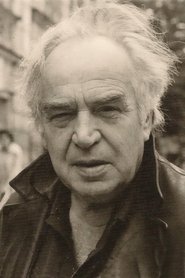
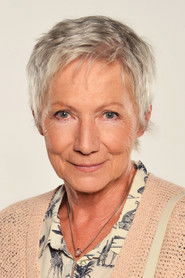
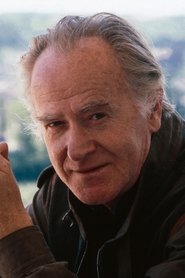
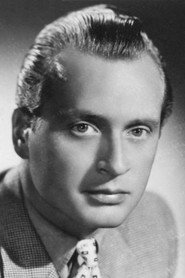
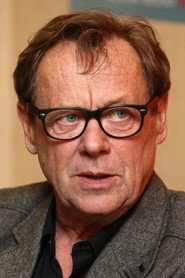
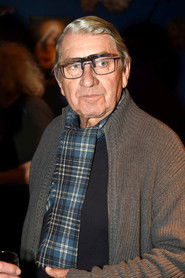
The film features standout performances from Jiří Schwarz, Ota Sklenčka, Dana Syslová, and Marta Malá, with Otto Šimánek and Simona Vrbická rounding out the cast.
Is Duch soudce Pauknera (1983) worth watching?
While the film isn't widely rated, its dramatic intensity and historical themes make it compelling for fans of 1980s Czechoslovak cinema. The focus on moral dilemmas and atmospheric storytelling offers a rewarding, if somber, viewing experience for those drawn to slow-burn crime dramas with substance.
How long is Duch soudce Pauknera?
Runtime details are not listed.
About Duch soudce Pauknera (1983) — A haunting drama of justice and guilt from Anna Procházková
Anna Procházková's 1983 drama *Duch soudce Pauknera* weaves a haunting tale of moral reckoning and judicial corruption in post-war Czechoslovakia. Set against the chilling backdrop of a society still healing from deep scars, the film follows the dark legacy of a respected judge whose once-unquestioned authority now casts a long shadow over the present. Through sharp performances by Jiří Schwarz and Ota Sklenčka, the story unfolds with a quiet intensity, exploring how guilt and power intertwine in the corridors of justice. The oppressive atmosphere of the 1940s and 1950s blends seamlessly with the psychological weight of the characters' struggles, creating a narrative that lingers long after the final scene. A gripping blend of crime and drama, the film examines the cost of silence and the price of justice in a world where history refuses to stay buried.
With its stark visuals and emotionally charged storytelling, *Duch soudce Pauknera (1983)* challenges viewers to question the boundaries between right and wrong, authority and accountability. The film's deliberate pacing and layered characters draw audiences into a world where every decision carries weight, and the past is never truly past. Whether you're drawn by the genre's intensity or the historical gravity of its setting, this drama promises a thought-provoking experience that resonates with themes still relevant today.