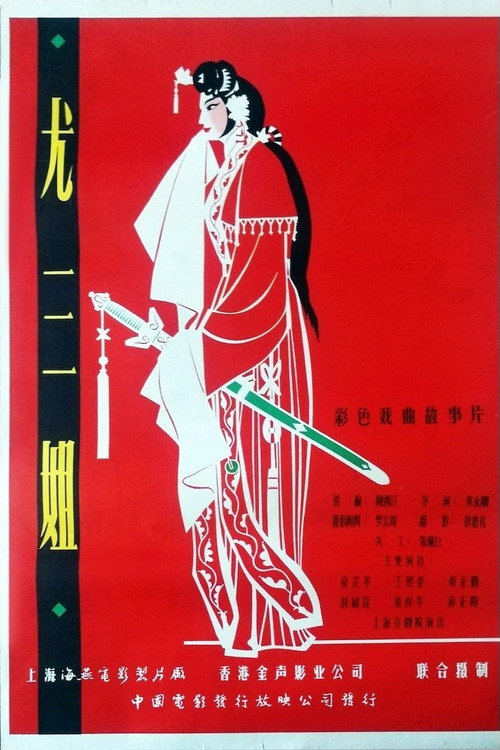
尤三姐 1963
Step back to 1963 and into the world of classic Chinese cinema with 尤三姐 (1963), a film that quietly carries the weight of its era while telling a story steeped in family, honor, and the quiet revolutions of the heart.
Frequently Asked Questions
What is 尤三姐 (1963) about?
尤三姐 (1963) unfolds in a world of intricate family ties and unspoken desires, following a young woman navigating the expectations of her household and her own heart. The film explores how tradition and personal longing collide, leaving audiences to ponder the cost of compromise.
Who directed 尤三姐?
Director information is not available.
Who stars in 尤三姐?
The cast roster for 尤三姐 (1963) has not been documented, leaving the film's emotional impact to speak for itself.
Is 尤三姐 (1963) worth watching?
Though unrated and stripped of modern context, 尤三姐 (1963) offers a slice of mid-century Chinese cinema that may appeal to fans of narrative subtlety and historical drama. Its quiet intensity and focus on human relationships make it a worthwhile watch for those exploring the era's filmmaking style.
How long is 尤三姐?
Runtime details are not listed.
About 尤三姐 (1963) — A Glimpse Into Mid-Century Chinese Family Drama
Step back to 1963 and into the world of classic Chinese cinema with 尤三姐 (1963), a film that quietly carries the weight of its era while telling a story steeped in family, honor, and the quiet revolutions of the heart. The atmosphere is one of delicate tension—interiors lit by flickering lanterns and courtyards where whispers carry more weight than shouts—drawing you into the life of a young woman caught between tradition and her own yearnings. Though details of the cast and crew remain undocumented, the film's emotional register suggests a drama rooted in social realism, where every glance and gesture speaks volumes about duty and desire. Whether it's the unspoken bonds between siblings or the fraught choices faced by women in a changing society, 尤三姐 (1963) lingers in the mind like a half-remembered dream from another time, inviting reflection on how far—and how little—society has moved since then.
While the director's identity remains a mystery, the film's enduring appeal likely lies in its authenticity: a snapshot of life that doesn't shout but whispers truths that resonate across generations. Viewers drawn to character-driven stories or curious about mid-century Chinese filmmaking will find in 尤三姐 (1963) a quiet yet compelling entry, one that rewards patience and rewards those who listen closely to its silent stories.