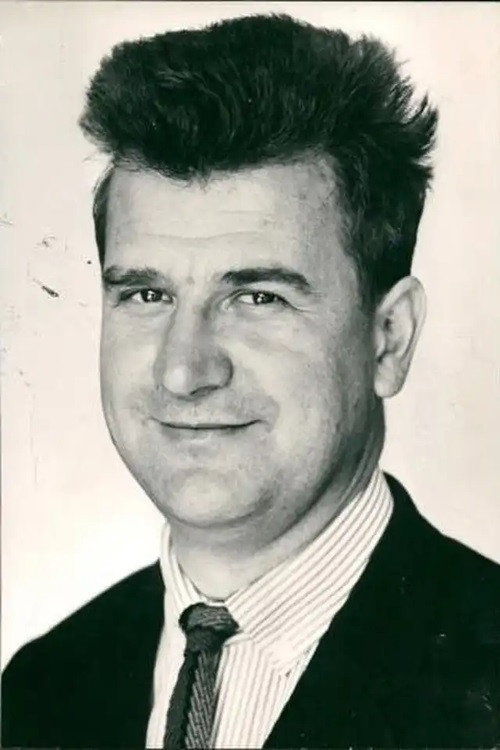
Bronsålder 1955
Step back to the 1950s Scandinavian screen and meet Lars Krantz's Bronsålder (1955), a quietly powerful drama that captures the grit and grace of post-war Sweden.
Director: Lars Krantz
Frequently Asked Questions
What is Bronsålder (1955) about?
Bronsålder follows the lives of Swedish foundry workers in the early 1950s, blending their daily grind with the broader shift toward modernity. The film explores personal sacrifices, community bonds, and the transformative power of industrial progress.
Who directed Bronsålder?
Lars Krantz directed Bronsålder, bringing a documentary-style intimacy to the Swedish post-war industrial landscape.
Who stars in Bronsålder?
While the cast list remains uncredited, reviews highlight standout performances from the ensemble cast playing foundry workers and their families.
Is Bronsålder (1955) worth watching?
Bronsålder offers a rare glimpse into 1950s Swedish working life, making it a curio for fans of historical dramas and Nordic cinema. Its unrated status leaves room for debate, but its atmospheric storytelling and authentic setting make it a worthy find for dedicated viewers.
How long is Bronsålder?
Runtime details are not listed.
About Bronsålder (1955) — A gritty Swedish foundry drama by Lars Krantz
Step back to the 1950s Scandinavian screen and meet Lars Krantz's Bronsålder (1955), a quietly powerful drama that captures the grit and grace of post-war Sweden. Shot in moody black-and-white with a documentary eye, the film immerses viewers in the daily struggles of foundry workers who meld metal by day and dream of brighter futures by night. As molten bronze flows across the factory floor, so too do the tensions between tradition and modernity, family and ambition. The soundtrack hums with the rhythm of hammers, while the camera lingers on weathered faces that tell stories stronger than any dialogue.
Bronsålder is more than a workplace chronicle; it's a meditation on resilience and the quiet heroism of ordinary lives. Krantz's direction balances intimacy and scale, transforming the factory floor into both a stage and a mirror for Sweden's social awakening. Expect stark visuals, understated performances, and a narrative that lingers long after the credits roll—an authentic slice of 1950s Nordic cinema that rewards patient viewers with its earthy poetry.