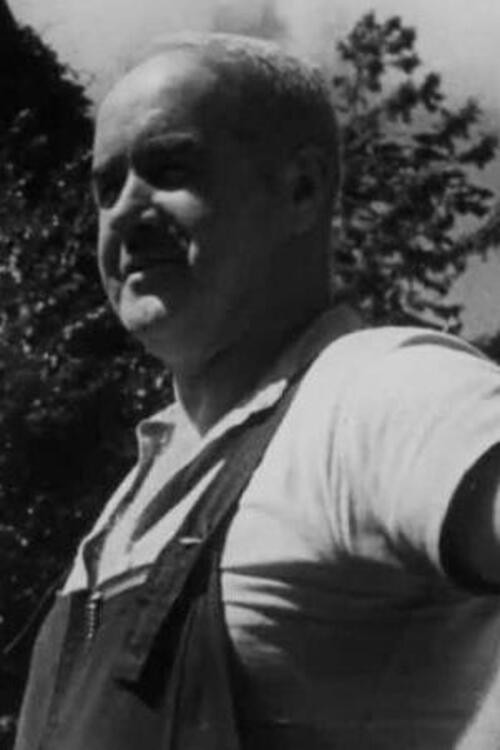
The Blacksmith 1941
Step back in time to 1941 with *The Blacksmith*, Peter Baylis's delicate documentary that captures a day in the life of a traditional blacksmith's workshop in Corfe, Somerset.
Director: Peter Baylis
Frequently Asked Questions
What is The Blacksmith (1941) about?
*The Blacksmith* is a documentary short that documents the daily work of a traditional blacksmith in rural Somerset during the early 20th century. The film focuses on the intricate process of shaping metal by hand, showcasing the tools, techniques, and dedication behind this once-common trade.
Who directed The Blacksmith?
The Blacksmith was directed by Peter Baylis, a filmmaker known for capturing everyday life and local traditions in his documentaries.
Who stars in The Blacksmith?
The Blacksmith does not feature a credited cast; the film centers on the artistry of the local blacksmith and his craft.
Is The Blacksmith (1941) worth watching?
As a five-minute documentary, *The Blacksmith* offers a fascinating snapshot of mid-century craftsmanship, making it a unique watch for history or trades enthusiasts. While not a narrative film, its historical and cultural value gives it charm and educational appeal.
How long is The Blacksmith?
The Blacksmith has a runtime of 5 minutes.
About The Blacksmith (1941) — A 5-Minute Glimpse into Traditional Blacksmithing
Step back in time to 1941 with *The Blacksmith*, Peter Baylis's delicate documentary that captures a day in the life of a traditional blacksmith's workshop in Corfe, Somerset. Nestled in the English countryside, this short film isn't just about craftsmanship—it's a quiet celebration of skill, patience, and the enduring rhythm of manual labor. The atmosphere is one of nostalgia, where the clang of the hammer on anvil tells a story of generations past, and the sparks fly like whispers of history itself.
Though brief at just five minutes, *The Blacksmith* immerses viewers in a world where tools and techniques speak louder than words. The documentary genre shines here, offering a rare glimpse into a trade that was already becoming a relic by the mid-20th century. It's a fleeting but evocative portrait of an era, where every forging was a testament to human ingenuity and craftsmanship.