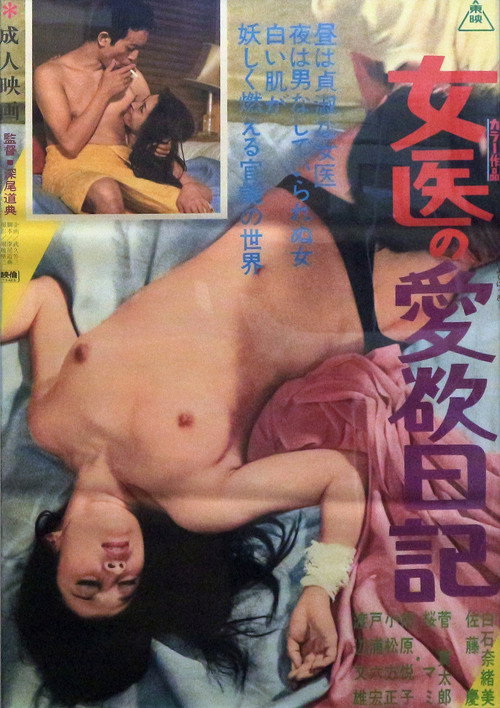
A Diary of a Woman Doctor 1973
Tucked away in the vaults of 1973 cinema is A Diary of a Woman Doctor, a compact yet powerful Toei production helmed by director Michinori Fukao.
Director: Michinori Fukao
Cast


Frequently Asked Questions
What is A Diary of a Woman Doctor (1973) about?
This 1973 drama follows a determined young female doctor as she battles professional skepticism and personal doubt in a field dominated by men. Through her diary entries, we witness her transformation from an untested idealist to a resilient healer. The story blends quiet introspection with the unyielding pressures of early-career survival.
Who directed A Diary of a Woman Doctor?
A Diary of a Woman Doctor was directed by Michinori Fukao, whose cinematic focus on human resilience and societal shifts was a hallmark of Toei's 1970s output.
Who stars in A Diary of a Woman Doctor?
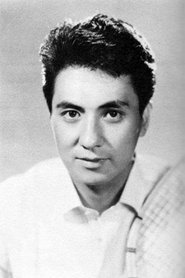
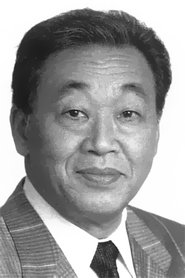
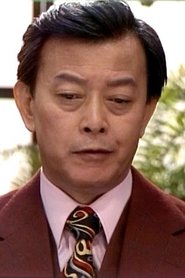
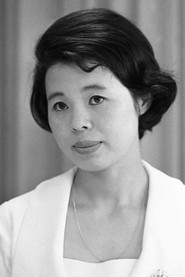
The film features Naomi Shiraishi in the lead role, supported by Fumio Watanabe, Kei Satō, Kantarō Suga, and Mami Sakura as key members of the cast.
Is A Diary of a Woman Doctor (1973) worth watching?
As a concise character study with historical significance, A Diary of a Woman Doctor offers a fascinating glimpse into early-1970s medical culture and gender dynamics. While not a mainstream title, its brevity and thematic depth make it a compelling watch for fans of quiet, character-driven dramas. Its rarity alone adds to its appeal.
How long is A Diary of a Woman Doctor?
The runtime of A Diary of a Woman Doctor is 52 minutes.
About A Diary of a Woman Doctor (1973) — Naomi Shiraishi's groundbreaking journey in a 52-minute classic
Tucked away in the vaults of 1973 cinema is A Diary of a Woman Doctor, a compact yet powerful Toei production helmed by director Michinori Fukao. This fifty-two-minute drama zeroes in on the professional and personal trials faced by a young female physician navigating a male-dominated medical landscape. Naomi Shiraishi commands the screen with a quiet intensity, embodying the courage of a woman striving to carve out her identity in a field that often resists change.
Fumio Watanabe and Kei Satō round out the pivotal cast, their supporting roles adding layers of tension and reflection to the narrative. While the official genre tag remains unlisted, the film pulses with the raw energy of seventies social drama, exploring themes of ambition, resilience, and the quiet revolution of ordinary lives. The atmosphere is intimate yet charged—close-ups linger on Shiraishi's determined expressions, while wider shots capture the stark realities of her environment. It's a snapshot of a moment when the push for equality began to ripple through Japan's institutional walls, all captured in a brisk runtime that never feels rushed.