Sennichimae fukin 1945
Set in the post-war landscape of 1945 Japan, *Sennichimae fukin* offers a poignant glimpse into everyday struggles wrapped in emotional storytelling.
Director: Masahiro Makino
Cast
Frequently Asked Questions
What is Sennichimae fukin (1945) about?
This 1945 Japanese film follows ordinary people navigating the challenges of post-war life, blending personal struggles with moments of quiet triumph. Through its characters' journeys, it explores themes of resilience, human connection, and the search for meaning amid societal upheaval.
Who directed Sennichimae fukin?
Masahiro Makino directed *Sennichimae fukin*. Known for his ability to blend drama with emotional realism, Makino's work often reflects the cultural and social nuances of his time.
Who stars in Sennichimae fukin?
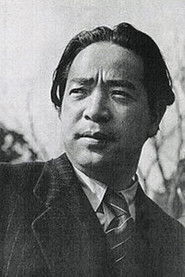
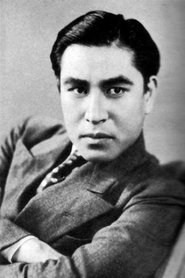
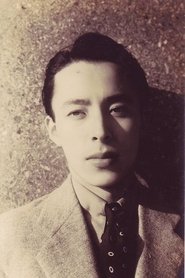
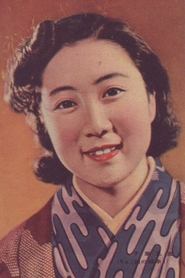
The film features Isamu Kosugi, Shin Saburi, Kōkichi Takada, Akiko Kazami, and Chishū Ryū in key roles.
Is Sennichimae fukin (1945) worth watching?
While *Sennichimae fukin* isn't rated on IMDb, its concise runtime and Makino's direction make it a compelling watch for fans of post-war Japanese cinema. The emotional depth and authentic performances more than makeup for its brevity.
How long is Sennichimae fukin?
*Sennichimae fukin* runs for 80 minutes.
About Sennichimae fukin (1945) — Post-war drama with emotional depth and Makino's signature touch
Set in the post-war landscape of 1945 Japan, *Sennichimae fukin* offers a poignant glimpse into everyday struggles wrapped in emotional storytelling. Directed by the masterful Masahiro Makino, this short yet impactful film navigates the tension between hope and hardship against a backdrop of societal change. Led by Isamu Kosugi and Shin Saburi, the cast delivers performances steeped in authenticity, portraying characters navigating love, loss, and resilience. With a runtime of just 80 minutes, the movie balances quiet introspection with bursts of drama, creating an atmosphere that lingers long after the credits roll. Though the genre remains unlisted, its themes of human connection and survival feel timeless.
At its core, *Sennichimae fukin* (1945) reflects the quiet strength of ordinary people during extraordinary times. Makino's direction blends realism with subtle symbolism, drawing audiences into a world where small victories matter most. The film's concise runtime amplifies its emotional punch, leaving viewers contemplating the resilience of the human spirit. For those curious about mid-century Japanese cinema or Makino's distinctive style, this short yet powerful feature is a compelling entry point into a pivotal era of filmmaking.