Umi o yobu koe 1945
Directed by Masamitsu Igayama, *Umi o yobu koe* (1945) is a Japanese wartime film that captures the emotional and social struggles of its characters against the backdrop of a nation in turmoil.
Director: Masamitsu Igayama
Cast
Frequently Asked Questions
What is Umi o yobu koe (1945) about?
This 1945 Japanese film delves into the lives of people facing the harsh realities of wartime Japan, exploring themes of resilience and longing. The story revolves around individuals whose voices—both literal and metaphorical—struggle to rise above the chaos of their era.
Who directed Umi o yobu koe?
Masamitsu Igayama directed *Umi o yobu koe*. Known for his work during a transformative period in Japanese cinema, Igayama's films often reflect the social and emotional landscapes of his time.
Who stars in Umi o yobu koe?
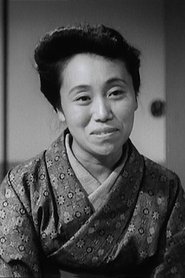
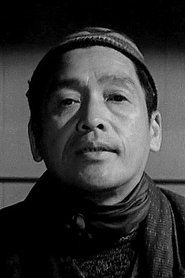
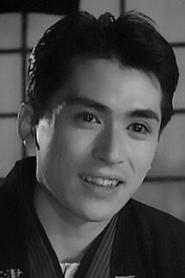
The film features Haruko Sugimura, Teruyo Asagumo, Kenji Susukida, Kamatari Fujiwara, and Akihiko Katayama among its key cast.
Is Umi o yobu koe (1945) worth watching?
As an unrated but historically significant wartime drama, *Umi o yobu koe* offers a compelling look at life in 1940s Japan. While it may not be widely known today, its concise runtime and emotional depth make it a noteworthy watch for fans of classic Japanese cinema.
How long is Umi o yobu koe?
The film runs for 65 minutes.
About Umi o yobu koe (1945) — A 1945 Japanese wartime drama you should know
Directed by Masamitsu Igayama, *Umi o yobu koe* (1945) is a Japanese wartime film that captures the emotional and social struggles of its characters against the backdrop of a nation in turmoil. Set in a time when Japan was grappling with the effects of World War II, the story unfolds with a raw, poignant realism, focusing on the resilience of ordinary people as they navigate hardship and hope. The film's title, translating to "The Voice That Calls the Sea," hints at a metaphorical journey—perhaps a longing for connection, change, or escape—amidst the chaos of the era.
With a runtime of just 65 minutes, Igayama crafts a concise yet powerful narrative, where the performances of Haruko Sugimura and Teruyo Asagumo anchor the film's emotional weight. The atmosphere is one of quiet intensity, blending everyday struggles with a sense of collective endurance. While genre details are scarce, the film likely belongs to the drama or wartime genre, offering a glimpse into the human condition during one of history's darkest chapters.