Sôbô 1933
Step into the world of early 1930s Japanese cinema with *Sôbô* (1933), a lost drama directed by the masterful Mikio Naruse.
Director: Mikio Naruse
Cast




Frequently Asked Questions
What is Sôbô (1933) about?
While the plot remains a mystery, *Sôbô* (1933) is believed to follow a protagonist navigating the pressures of early 20th-century Japan, where personal struggles intertwine with societal expectations. The film likely captures the tension between tradition and change through quiet, introspective storytelling.
Who directed Sôbô?
Mikio Naruse, one of Japan's most revered filmmakers, known for his poignant portrayals of women and social outcasts.
Who stars in Sôbô?
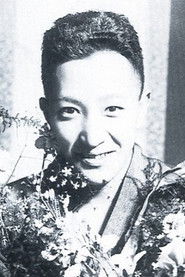
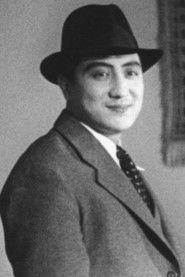
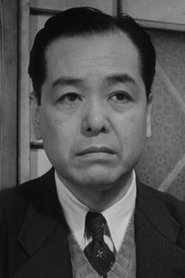
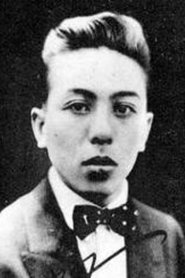
The film features Yukichi Iwata, Kinuyo Tanaka, Yumeko Aizome, Mitsugu Fujii, and Joji Oka in key roles.
Is Sôbô (1933) worth watching?
Though *Sôbô* is presumed lost, its association with Naruse's legacy makes it intriguing for fans of classic Japanese cinema. If it ever resurfaces, its dramatic themes and Naruse's direction would likely offer a compelling, if melancholic, viewing experience.
How long is Sôbô?
The film runs approximately 108 minutes, offering a substantial runtime for its intended storytelling depth.
About Sôbô (1933) — Explore the Mystery of Mikio Naruse's Forgotten Drama
Step into the world of early 1930s Japanese cinema with *Sôbô* (1933), a lost drama directed by the masterful Mikio Naruse. Though the film itself has vanished, its legacy endures as a testament to Naruse's signature storytelling, blending quiet desperation with raw emotional depth. Set against a backdrop of societal upheaval and personal strife, this forgotten gem likely follows a protagonist caught between duty and desire, navigating a world where tradition clashes with modernity.
If *Sôbô* were to resurface today, it would offer a rare glimpse into Naruse's early style—his ability to weave melancholy into everyday life, long before his later masterpieces like *When a Woman Ascends the Stairs* cemented his reputation. Starring Yukichi Iwata, Kinuyo Tanaka, and Yumeko Aizome, the film would have showcased the director's knack for intimate, character-driven narratives that linger long after the credits roll.