
Autumn Sonata 1978
Ingmar Bergman's *Autumn Sonata (1978)* is a hauntingly intimate drama that dissects the fractured bond between a renowned classical pianist and her daughter.
Director: Ingmar Bergman
Cast

Ingrid Bergman
Charlotte
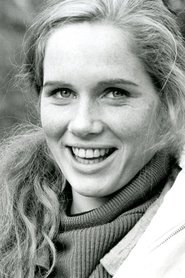
Liv Ullmann
Eva
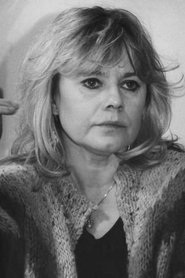
Lena Nyman
Helena
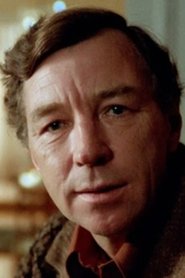
Halvar Björk
Viktor

Marianne Aminoff
Charlotte's Private Secretary
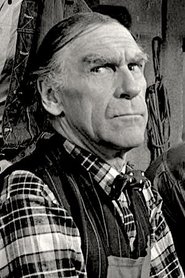
Arne Bang-Hansen
Uncle Otto
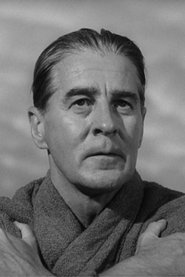
Gunnar Björnstrand
Paul
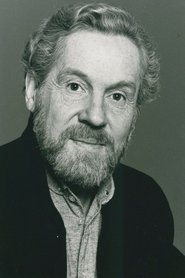
Erland Josephson
Josef

Georg Løkkeberg
Leonardo
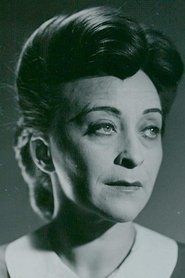
Mimi Pollak
Piano Instructor
Frequently Asked Questions
What is Autumn Sonata (1978) about?
*Autumn Sonata* follows Charlotte, a celebrated pianist, as she visits her estranged daughter Eva after years apart. Their fraught reunion exposes long-suppressed resentments, especially when Eva reveals she's been caring for Helena, Charlotte's mentally disabled daughter who was institutionalized years ago. The film becomes a piercing exploration of guilt, forgiveness, and the cost of personal ambition.
Who directed Autumn Sonata?
Swedish auteur Ingmar Bergman directed *Autumn Sonata*. Known for his introspective films like *Persona* and *Cries and Whispers*, Bergman crafted a deeply personal meditation on family and memory here.
Who stars in Autumn Sonata?
The film stars two legendary actresses—Ingrid Bergman as Charlotte, and Liv Ullmann as her daughter Eva—as well as Lena Nyman, Halvar Björk, and Marianne Aminoff.
Is Autumn Sonata (1978) worth watching?
*Autumn Sonata* is a masterpiece of emotional depth, earning acclaim for its raw performances and Bergman's direction. If you appreciate slow-burn dramas that probe human relationships with unflinching honesty, this 93-minute film is a must-see, even without a traditional rating.
How long is Autumn Sonata?
*Autumn Sonata* runs for 93 minutes.
🎥 Trailer
Autumn Sonata (1978): A Mother-Daughter Reckoning — Full Movie Info
Ingmar Bergman's *Autumn Sonata (1978)* is a hauntingly intimate drama that dissects the fractured bond between a renowned classical pianist and her daughter. After a seven-year estrangement, Charlotte arrives in Sweden to reconnect with Eva, only to confront the unresolved tensions of a relationship strained by sacrifice and regret. The evening unfolds like a chamber piece, where every whispered word and lingering glance peels back layers of emotional scars, revealing the weight of Charlotte's career-driven absence and Eva's quiet resentment.
As the night deepens, the film's raw intensity escalates when Charlotte learns that her younger daughter, Helena—a woman with severe mental disabilities—is no longer in an asylum but living under Eva's care. Bergman crafts a masterclass in psychological realism, blending quiet devastation with moments of fragile tenderness. The Swedish countryside setting casts a melancholic spell, mirroring the characters' inner turmoil as long-buried truths rise to the surface.