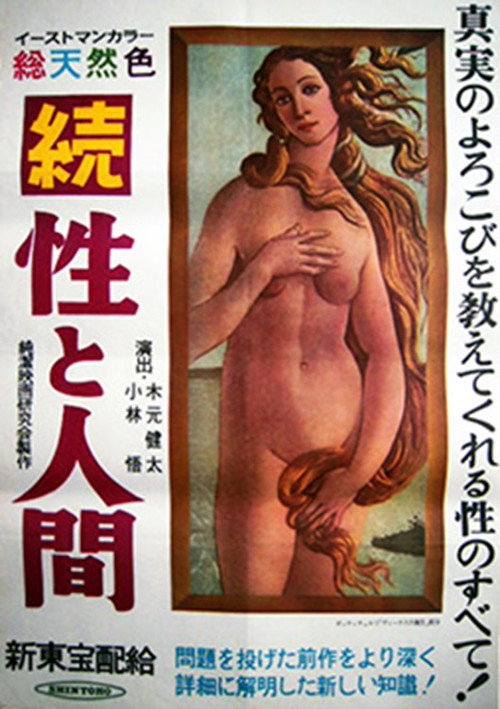
Zoku-sei to ningen 1961
Step into the world of 1961 Japanese cinema with *Zoku-sei to ningen*, a concise yet compelling drama directed by Satoru Kobayashi.
Director: Satoru Kobayashi
Cast



Frequently Asked Questions
What is Zoku-sei to ningen (1961) about?
This 1961 Japanese drama examines the tensions between tradition and modernity in a rapidly changing society. Through its characters' struggles, the film paints a portrait of Japan's post-war identity crisis, where old values clash with new ideals.
Who directed Zoku-sei to ningen?
Satoru Kobayashi directed *Zoku-sei to ningen* (1961), bringing a nuanced perspective to the film's exploration of societal transformation.
Who stars in Zoku-sei to ningen?
The film features Mako Sanjō, Kyōji Kokonoe, Fumiko Miyata, Hiroshi Asami, and Shōzaburō Date in key roles, each contributing depth to the narrative.
Is Zoku-sei to ningen (1961) worth watching?
With its introspective themes and Kobayashi's direction, *Zoku-sei to ningen* offers a rewarding experience for fans of classic Japanese cinema. While not widely rated, its focus on cultural identity makes it a standout in the genre.
How long is Zoku-sei to ningen?
The runtime for *Zoku-sei to ningen* (1961) is 86 minutes.
About Zoku-sei to ningen (1961) — Post-war Japan's quiet revolution on screen
Step into the world of 1961 Japanese cinema with *Zoku-sei to ningen*, a concise yet compelling drama directed by Satoru Kobayashi. This 86-minute film explores the delicate balance between tradition and modernity in post-war Japan, weaving a narrative that reflects the societal shifts of its time. Through the lens of Kobayashi's sharp direction, the movie delves into themes of identity and belonging, presented with an atmosphere that blends quiet introspection with bursts of emotional intensity. The story follows characters navigating personal and societal transformations, offering a glimpse into the human experience amid cultural evolution.
Starring Mako Sanjō, Kyōji Kokonoe, and Fumiko Miyata, *Zoku-sei to ningen* brings authenticity to its portrayal of a Japan caught between past and future. The film's restrained yet evocative tone makes it a fascinating watch for those interested in the nuances of Japanese post-war cinema. Whether you're a fan of classic films or a newcomer to the genre, this movie promises a thought-provoking journey through history and heart.