Sakura Sôgorô 1912
Step back in time to 1912, when Japan's cinematic landscape was just beginning to take shape, and discover *Sakura Sôgorô*—a rare and haunting early horror film that blends folklore with pioneering filmmaking.
Cast
Frequently Asked Questions
What is Sakura Sôgorô (1912) about?
*Sakura Sôgorô* is an early Japanese horror short that draws from traditional folklore to deliver an eerie cinematic experience. Though details are scarce, the film likely weaves themes of the supernatural and mortality into its brief runtime, using the silent-era's visual language to evoke dread and mystery.
Who directed Sakura Sôgorô?
Director information is not available.
Who stars in Sakura Sôgorô?
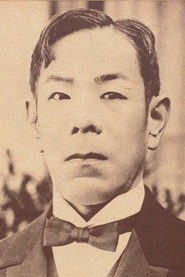
The sole credited performer in *Sakura Sôgorô* is Matsunosuke Onoe, a pioneering Japanese actor whose expressive style helped define early cinema.
Is Sakura Sôgorô (1912) worth watching?
While *Sakura Sôgorô* is more of a historical curiosity than a modern horror experience, its significance as one of Japan's first horror films makes it a fascinating watch for cinephiles and fans of early cinema. Approach it as a time capsule rather than a scare-fest, but appreciate its place in film history.
How long is Sakura Sôgorô?
Runtime details are not listed.
About Sakura Sôgorô (1912) — Unearthing Japan's First Silent Horror Classic
Step back in time to 1912, when Japan's cinematic landscape was just beginning to take shape, and discover *Sakura Sôgorô*—a rare and haunting early horror film that blends folklore with pioneering filmmaking. Directed by an anonymous creator during the silent era, this atmospheric short transports viewers into a world where eerie legends come to life, wrapped in the minimalist yet evocative visual language of the time. Though the runtime is lost to history, Matsunosuke Onoe's commanding presence as the sole credited performer lends the production an air of mystery and intrigue, as his expressive performance anchors the film's chilling atmosphere.
As one of Japan's earliest examples of horror cinema, *Sakura Sôgorô (1912)* offers a fascinating glimpse into how fear was first harnessed on screen—long before special effects and modern techniques. The film's sparse yet deliberate storytelling relies on shadows, suggestion, and the power of suggestion, creating an unsettling mood that lingers. While the plot remains shrouded in obscurity, the title itself evokes themes of nature's duality—cherry blossoms symbolizing both beauty and transience—tying into Japan's deep-rooted connection between the supernatural and the natural world.