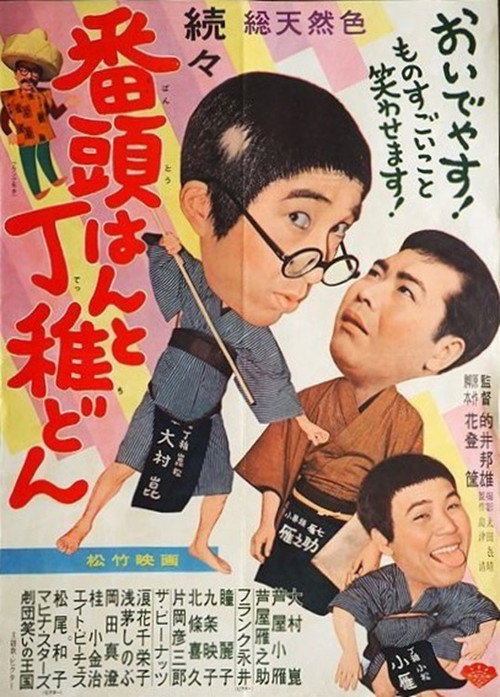
Zokuzoku bantōhan to detchidon 1961
Zokuzoku bantōhan to detchidon is a 1961 Japanese film directed by Kunio Matoi. The movie's title translates to 'Close Quarters and Detention', hinting at the themes of confinement and social hierarchy.
Director: Kunio Matoi
Cast



Frequently Asked Questions
What is Zokuzoku bantōhan to detchidon (1961) about?
The film explores the themes of confinement and social hierarchy in a 1960s Japanese setting, where characters navigate the complexities of their world and confront the implications of their actions.
Who directed Zokuzoku bantōhan to detchidon?
The film was directed by Kunio Matoi, a filmmaker known for his concise storytelling and nuanced exploration of social dynamics.
Who stars in Zokuzoku bantōhan to detchidon?
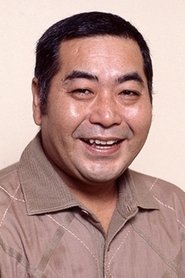
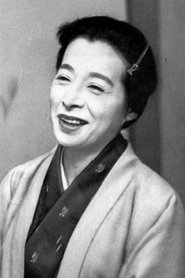
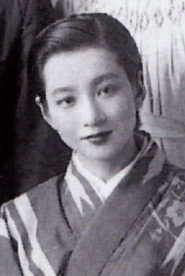
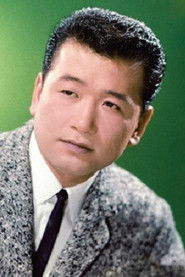
The film features a talented cast, including Kon Omura, Eiko Kujo, and Kogan Ashiya.
Is Zokuzoku bantōhan to detchidon (1961) worth watching?
While the film's IMDb rating is not available, its unique blend of drama and social commentary makes it a must-watch for fans of Japanese cinema and those interested in exploring the lesser-known gems of the 1960s.
How long is Zokuzoku bantōhan to detchidon?
The film has a runtime of 82 minutes, a testament to the director's concise storytelling and ability to craft compelling stories that resonate with audiences.
About Zokuzoku bantōhan to detchidon (1961) — A Vintage Japanese Drama
Zokuzoku bantōhan to detchidon is a 1961 Japanese film directed by Kunio Matoi. The movie's title translates to 'Close Quarters and Detention', hinting at the themes of confinement and social hierarchy. The film's cast, including Kon Omura and Eiko Kujo, deliver performances that immerse the audience in the world of this vintage drama. The runtime of 82 minutes is a testament to the director's concise storytelling, where every moment counts. As the audience delves into the world of Zokuzoku bantōhan to detchidon, they are met with a cinematic experience that is both nostalgic and thought-provoking. The film's exploration of social dynamics and the human condition is a poignant reminder of the enduring power of cinema. With its unique blend of drama and social commentary, Zokuzoku bantōhan to detchidon is a must-watch for fans of Japanese cinema and those interested in exploring the lesser-known gems of the 1960s.
While the film's genre is unknown, its themes of confinement and social hierarchy are a testament to the director's ability to craft compelling stories that resonate with audiences. The film's black-and-white cinematography adds to the nostalgic atmosphere, transporting viewers to a bygone era. As the characters navigate the complexities of their world, the audience is left to ponder the implications of their actions and the consequences of their choices.
In the end, Zokuzoku bantōhan to detchidon is a film that rewards close attention and reflection. Its thought-provoking themes and nuanced performances make it a must-watch for anyone interested in Japanese cinema and social commentary.