The Rokumeikan 1970
Step into Japan's post-war high society with *The Rokumeikan (1970)*, Ben Wada's cinematic adaptation of Yukio Mishima's iconic play.
Director: Ben Wada
Cast




Frequently Asked Questions
What is The Rokumeikan (1970) about?
Set in 1886 Tokyo, the film follows the elite gathering at the Rokumeikan, a symbol of Japan's rush toward Westernization. As aristocrats mingle with newcomers hungry for status, secrets unravel through a series of confrontations and romantic entanglements.
Who directed The Rokumeikan?
Ben Wada directed this adaptation, bringing Mishima's sharp social critique to life with a director's eye for atmosphere and tension.
Who stars in The Rokumeikan?
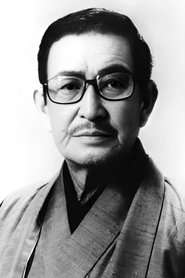
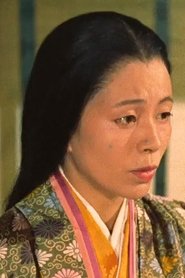
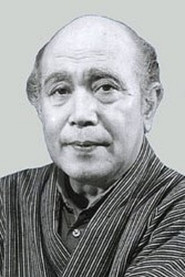
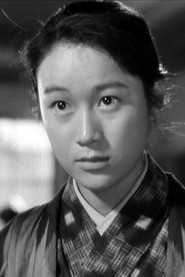
The film features powerhouse performances from Shinsuke Ashida, Shima Iwashita, Masakazu Tamura, Eiko Azusa, and Michiko Araki.
Is The Rokumeikan (1970) worth watching?
Though unrated on IMDb, this drama shines for fans of Mishima's work or period pieces steeped in intrigue. Its exploration of class and identity feels timeless, even if the 90-minute runtime demands attention.
How long is The Rokumeikan?
The film runs for 90 minutes.
About The Rokumeikan (1970) — A Gilded Drama of Power and Betrayal in Post-War Tokyo
Step into Japan's post-war high society with *The Rokumeikan (1970)*, Ben Wada's cinematic adaptation of Yukio Mishima's iconic play. This 90-minute drama unfolds against the opulent backdrop of Tokyo's Rokumeikan ballroom, where the clash of tradition and modernity simmers beneath glittering facades. A web of ambition, betrayal, and forbidden desire weaves through the lives of aristocrats and social climbers, each wielding charm and manipulation like weapons. The film drips with tension, its lavish interiors and sweeping costumes mirroring the hollow elegance of an era caught between past and progress.
Starring Shinsuke Ashida, Shima Iwashita, and Masakazu Tamura, *The Rokumeikan* transforms Mishima's razor-sharp dialogue into a visual feast of suppressed emotions and social stratagems. Wada's direction leans into the play's theatrical roots, amplifying the story's themes of identity and power within a society obsessed with appearances.