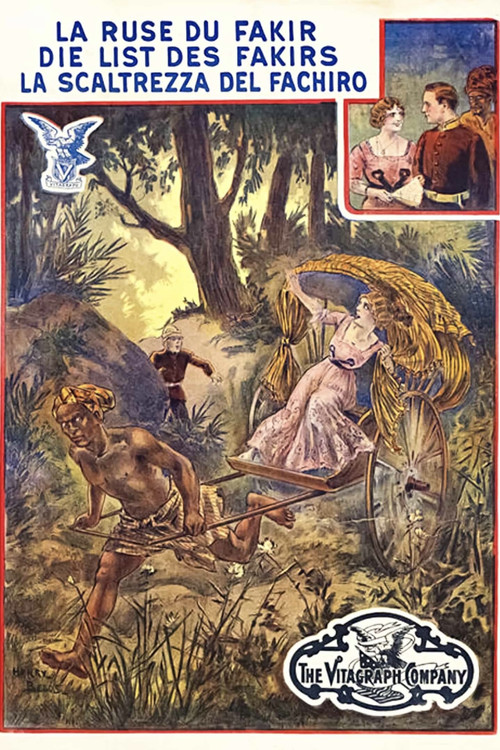
The Fakir's Spell 1914
Step into the shadowy world of colonial India with *The Fakir's Spell (1914)*, a silent-era horror short directed by Frank Newman.
Director: Frank Newman
Cast
Frequently Asked Questions
What is *The Fakir's Spell* (1914) about?
Set in India during the colonial era, the film follows a British soldier whose romance with an Indian girl angers her father—a powerful fakir. In retaliation, the soldier is transformed into a gorilla and later captured by a circus, turning his tragic fate into a sideshow spectacle.
Who directed *The Fakir's Spell*?
Frank Newman directed *The Fakir's Spell* (1914), a short silent horror film that showcases his knack for blending eerie atmosphere with dramatic storytelling.
Who stars in *The Fakir's Spell*?
The main cast includes Ildeton Newman in the lead role, though additional cast details for this 1914 production are not widely documented.
Is *The Fakir's Spell* (1914) worth watching?
As a silent-era horror short, *The Fakir's Spell* offers an intriguing glimpse into early cinema's approach to genre and cultural themes. While not an action-packed film, its Gothic undertones and historical curiosity make it a niche but fascinating watch for silent film or horror enthusiasts.
How long is *The Fakir's Spell*?
Runtime details for *The Fakir's Spell* (1914) are not listed.
The Fakir's Spell (1914): A Silent Horror Classic Revisited
Step into the shadowy world of colonial India with *The Fakir's Spell (1914)*, a silent-era horror short directed by Frank Newman. This atmospheric tale unfolds as a British soldier's love for an Indian girl incurs the wrath of her father—a fakir (mystic) who unleashes a dark curse. The young man is transformed into a monstrous gorilla, his humanity stripped away in an instant. Captured by a traveling circus, his plight becomes a macabre spectacle, blending eerie folklore with early cinema's fascination for the exotic and uncanny.
The film drips with Gothic dread, weaving themes of forbidden love, colonial tension, and supernatural vengeance into its brief runtime. Newman's direction leans into moody, shadow-drenched visuals, evoking the era's penchant for moral fables wrapped in horror. Though rooted in 1914's cinematic conventions, *The Fakir's Spell* offers a glimpse into how early filmmakers used genre to explore cultural anxieties, all while delivering a twist on the classic 'cursed lover' trope.