Plastikfieber 1979
Helmut Wietz's *Plastikfieber* (1979) is a quirky West German comedy that dives into the absurdities of fame and identity with dark humor and a retro aesthetic.
Director: Helmut Wietz
Cast


Frequently Asked Questions
What is Plastikfieber (1979) about?
This West German comedy follows Clarissa Vornfeist, a woman eager to become a star, as she falls into the manipulative schemes of a man who wants to turn her into a literal plastic doll. The film uses satire to critique the hollow promises of celebrity and the absurd extremes of ambition.
Who directed Plastikfieber?
The film was directed by Helmut Wietz, who crafts a blend of dark humor and social commentary in this cult favorite.
Who stars in Plastikfieber?
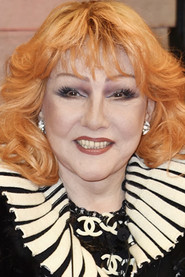
The cast features Romy Haag as Clarissa Vornfeist, Otto Sander as Wilfried, and Thomas Voburka, Emanuel Gotzmann, and Jan Kauenhowen in supporting roles.
Is Plastikfieber (1979) worth watching?
As an unrated but intriguing slice of 1970s West German cinema, *Plastikfieber* offers a unique mix of satire and surrealism. Fans of offbeat comedies or retro cult films will find its themes and energy compelling, even if it's not a mainstream hit.
How long is Plastikfieber?
The film runs for 74 minutes.
About Plastikfieber (1979) — A quirky West German comedy about fame, plastic, and questionable dreams
Helmut Wietz's *Plastikfieber* (1979) is a quirky West German comedy that dives into the absurdities of fame and identity with dark humor and a retro aesthetic. The film follows Clarissa Vornfeist, played by Romy Haag, a determined young woman chasing stardom in a world that seems to value superficiality over substance. Otto Sander stars as Wilfried, a dubious character who sees Clarissa's ambitions as the perfect opportunity to mold her into a literal plastic icon—a metaphor for the dehumanizing effects of celebrity culture. With its sharp social commentary and offbeat premise, the movie blends satire with a touch of surrealism, creating an atmosphere that's both playful and unsettling. The 74-minute runtime keeps the energy brisk, making it a curious artifact of 1970s cinema that still feels fresh today.
At its core, *Plastikfieber* explores themes of transformation, exploitation, and the lengths people go to achieve recognition. The film's visual style and tonal whimsy reflect the era's experimental spirit, while its undercurrents of critique linger long after the credits roll. Whether you're drawn in by the promise of a cult classic or the allure of Romy Haag's star power, this movie delivers a feast for fans of offbeat comedies with a bite.