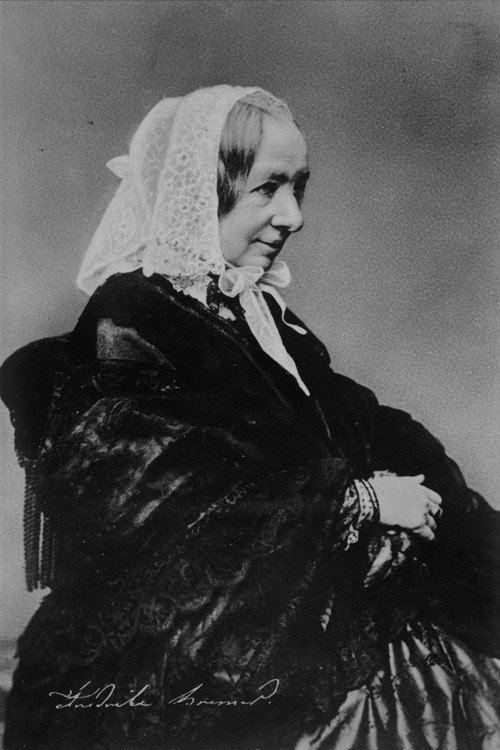
Den långa vägen 1947
Step back in time with *Den långa vägen* (1947), Torsten Bergström's poignant Swedish short film that blends oral storytelling with striking visuals.
Director: Torsten Bergström
Cast
Frequently Asked Questions
What is Den långa vägen (1947) about?
This short film follows a grandmother as she recounts the struggles and triumphs of Swedish women across centuries, using poignant visuals to bring her stories to life. It's a reflective journey through history, celebrating resilience and the pursuit of justice.
Who directed Den långa vägen?
The film was directed by Torsten Bergström, a Swedish filmmaker known for his contributions to early 20th-century cinema.
Who stars in Den långa vägen?
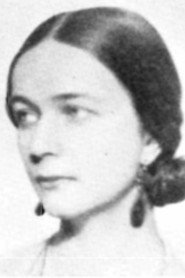
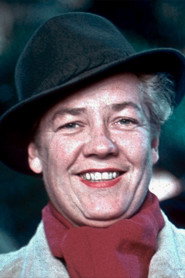
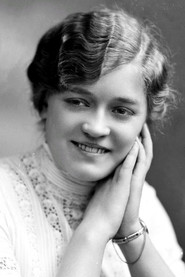
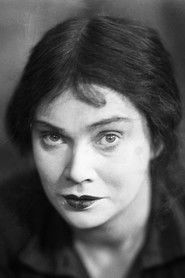
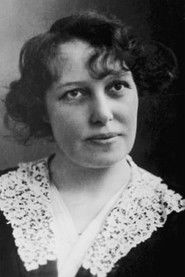
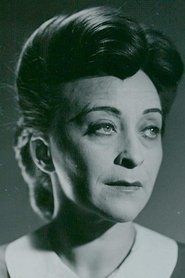
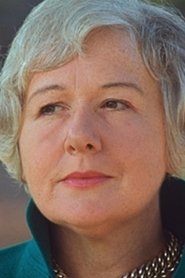
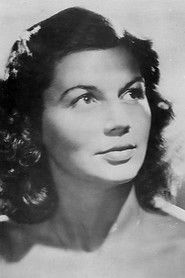
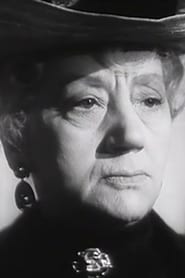
The film stars Olga Appellöf, Gerda Lundequist, Anna Flygare-Stenhammar, Linnéa Hillberg, and Agda Helin in key roles.
Is Den långa vägen (1947) worth watching?
While it's a short and lesser-known film, *Den långa vägen* offers a unique perspective on women's history in Sweden. Its historical themes and modest runtime make it a niche but rewarding watch for enthusiasts of classic cinema.
How long is Den långa vägen?
The film runs for 65 minutes.
About Den långa vägen (1947) — How Swedish Women Fought for Equality on Screen
Step back in time with *Den långa vägen* (1947), Torsten Bergström's poignant Swedish short film that blends oral storytelling with striking visuals. In a cozy fireside scene, a wise grandmother shares the hard-won journey of Swedish women through the ages—highlighting their relentless fight for equality, dignity, and justice. As her words transform into vivid moving images, the film weaves a tapestry of courage and resilience, offering a timeless reflection on societal progress. With a runtime of just 65 minutes, this understated gem captures the essence of perseverance through a mix of nostalgia and quiet inspiration.
Directed by Bergström and featuring a cast led by Olga Appellöf and Gerda Lundequist, *Den långa vägen* stands as a unique artifact of mid-20th-century Swedish cinema. Its intimate tone and historical perspective make it a compelling watch for those interested in women's stories or classic European filmmaking. Though modest in scale, the film's emotional weight lingers long after the credits roll.