Reading of an Extract from Labyrinths by J.L. Borges 1970
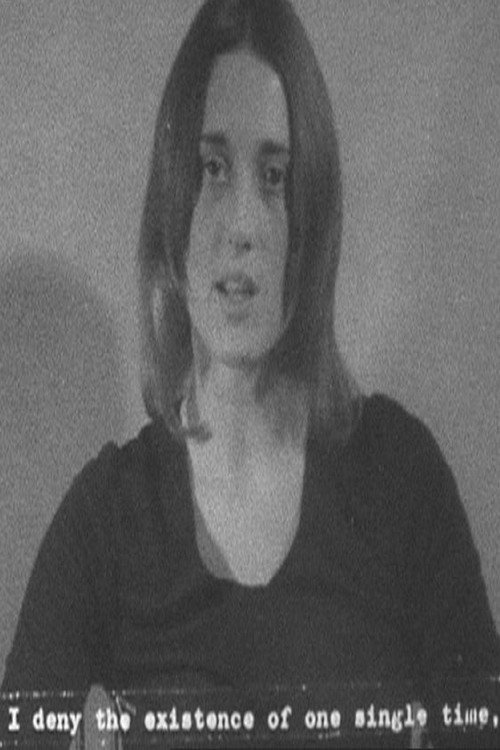
David Lamelas' concise experimental short *Reading of an Extract from Labyrinths by J.L. Borges* (1970) presents a striking visual and auditory paradox.
Director: David Lamelas
Frequently Asked Questions
What is Reading of an Extract from Labyrinths by J.L. Borges (1970) about?
The film captures a woman silently reciting Borges' essay *Nueva refutación del tiempo*, creating a visual meditation on voice, presence, and the unheard nature of written thought. It explores how language shapes reality when sound is absent.
Who directed Reading of an Extract from Labyrinths by J.L. Borges?
David Lamelas directed this experimental short, known for his contributions to conceptual and avant-garde cinema.
Who stars in Reading of an Extract from Labyrinths by J.L. Borges?
The cast includes an anonymous actress performing the reading; full cast details are not available.
Is Reading of an Extract from Labyrinths by J.L. Borges (1970) worth watching?
While unrated and unconventional, the film's 5-minute runtime and conceptual depth make it a compelling watch for fans of experimental cinema and Borges' philosophy. Its poetic silence lingers long after the screen fades.
How long is Reading of an Extract from Labyrinths by J.L. Borges?
The runtime is 5 minutes.
Reading of an Extract from Labyrinths by J.L. Borges (1970): A Silent Reflection on Time and Text
David Lamelas' concise experimental short *Reading of an Extract from Labyrinths by J.L. Borges* (1970) presents a striking visual and auditory paradox. A young woman sits in quiet focus, her lips moving as she reads aloud from Jorge Luis Borges' philosophical essay, *Nueva refutación del tiempo*. Yet the film deliberately withholds her voice, transforming the act of reading into a meditative, almost meditative silence that lingers between presence and absence. The five-minute piece unfolds in minimalist tension, using Borges' themes of time and perception as both backdrop and central inquiry.
This avant-garde work drifts between cinema and performance art, inviting viewers to reflect on language, silence, and the unseen power of literature. Shot in stark black and white, it captures the essence of Borges' labyrinthine mind—where words become visual labyrinths and meaning is both revealed and obscured. A fleeting yet unforgettable exploration of art's ability to challenge perception.