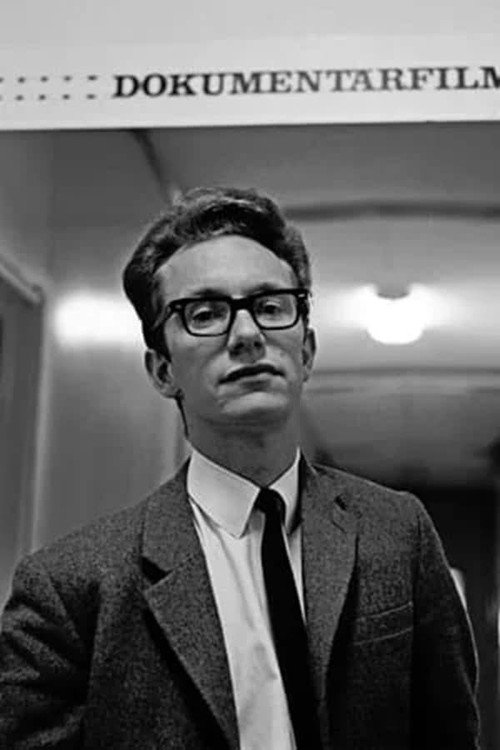
A Place for Everything 1970
A Place for Everything (1970), a probing Swedish documentary by Eric Nilsson, explores the delicate balance between order and freedom in a society that prizes structure above all else.
Director: Eric M. Nilsson
Cast
Frequently Asked Questions
What is A Place for Everything (1970) about?
This short documentary dives into the cultural divide in 1970s Sweden, where the younger generation fights against societal expectations and calls for autonomy and creativity. The film contrasts the nation's reputation for order with its citizens' hunger for independence and honest dialogue.
Who directed A Place for Everything?
Eric M. Nilsson directed this eye-opening documentary, using interviews to expose the friction between traditional Swedish values and modern aspirations.
Who stars in A Place for Everything?
The film features young Swedes sharing their perspectives, with Joan Henson among the voices leading the conversation about societal change.
Is A Place for Everything (1970) worth watching?
While it's a short film with a niche focus, A Place for Everything offers a fascinating glimpse into a pivotal cultural moment. Its themes of rebellion and structure still resonate today, making it worth a watch for documentary enthusiasts and those interested in Scandinavian history.
How long is A Place for Everything?
The film runs for 29 minutes.
About A Place for Everything (1970) — A Swedish documentary on order, freedom, and generational change
A Place for Everything (1970), a probing Swedish documentary by Eric Nilsson, explores the delicate balance between order and freedom in a society that prizes structure above all else. Through candid interviews with young Swedes, the 29-minute film contrasts rigid societal expectations with the human desire for independence, creativity, and meaningful change. The young voices in the documentary don't just critique the status quo—they challenge it, calling for a world where individual dreams can coexist with collective responsibility.
With a sharp observational lens, Nilsson captures the tensions between tradition and innovation, painting a portrait of a nation at a crossroads. The atmosphere is thoughtful yet restless, reflecting the generational divide between those who uphold the old ways and those who seek to redefine them. It's a snapshot of 1970s Sweden, where the push for progress clashes with the pull of conformity, and where every voice—no matter how small—demands to be heard.