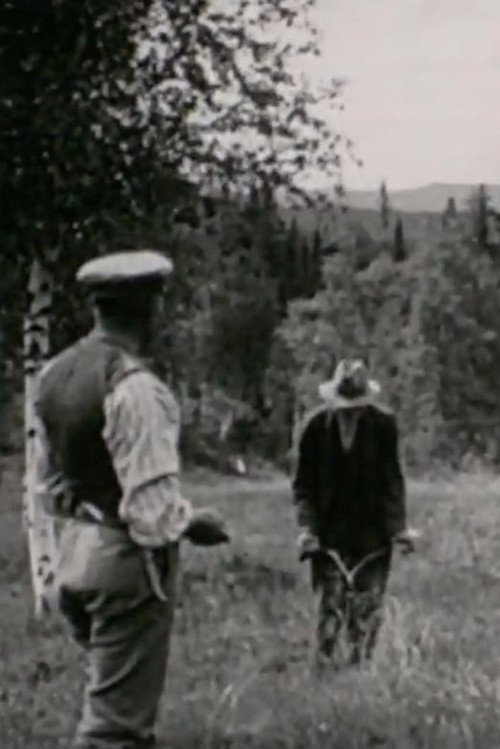
Slagruta 1929
Step back in time with Sweden's 1929 documentary short "Slagruta," a mesmerizing peek into the arcane art of water divining.
Director: Ola Bannbers
Cast
Frequently Asked Questions
What is Slagruta (1929) about?
Slagruta is a short documentary that explores the traditional practice of dowsing—using a forked branch to locate underground water sources. The film follows a skilled practitioner as they demonstrate the technique, showcasing how this seemingly mystical method once served practical needs in rural Sweden.
Who directed Slagruta?
Slagruta was directed by Ola Bannbers, a figure known for his work in early Swedish cinema and documentary filmmaking.
Who stars in Slagruta?
The film features L.P. Graaf as the key practitioner, with no other credited cast members.
Is Slagruta (1929) worth watching?
Given its historical value as a silent-era documentary and its concise three-minute runtime, Slagruta is a fascinating watch for film and cultural history enthusiasts. Though limited in scope, its focus on dowsing offers a unique window into early 20th-century rural practices.
How long is Slagruta?
Slagruta runs for 3 minutes.
About Slagruta (1929) — Sweden's silent short film on the ancient magic of water dowsing
Step back in time with Sweden's 1929 documentary short "Slagruta," a mesmerizing peek into the arcane art of water divining. Directed by Ola Bannbers, this three-minute film follows the methodical practice of dowsing—where a forked branch, held steady by an experienced hand, reveals hidden groundwater. Shot in the crisp tones of the era, the documentary captures a moment when science and folklore walked hand in hand, turning rural landscapes into stages for discovery. The atmosphere is quiet yet charged, blending rural simplicity with the quiet mysticism of finding life beneath the surface.
Though brief, "Slagruta" stands as a historical snapshot of early 20th-century rural Sweden, where traditional knowledge met practical necessity. The film's focus on the figure of the dowser—here embodied in an unnamed practitioner—highlights a skill passed down through generations, one that turns a humble branch into a tool for survival. Whether viewed as ethnography, early documentary, or cinematic curiosity, this 1929 gem offers a glimpse into a world where earth and human intuition were deeply intertwined.