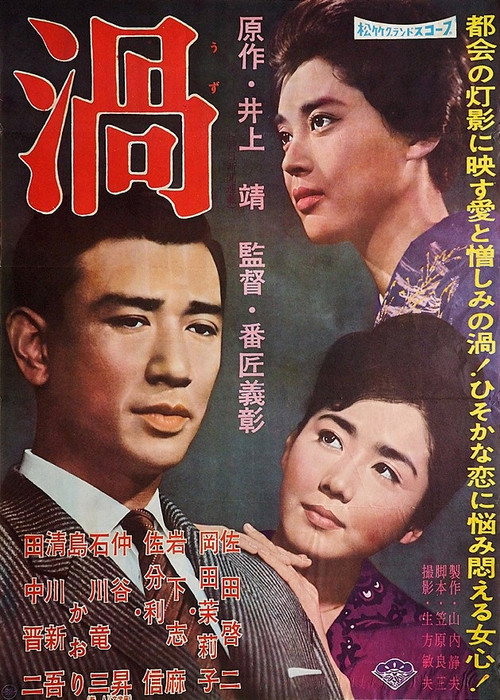
Uzu 1961
Uzu (1961), helmed by visionary Japanese director Yoshiaki Banshō, unfolds a quietly powerful 90-minute exploration of human connection set against post-war Japan's shifting social landscape.
Director: Yoshiaki Banshō
Cast
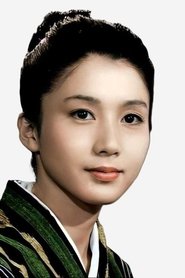
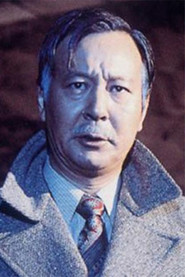
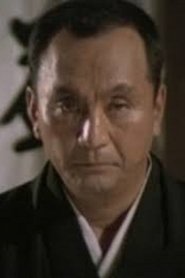
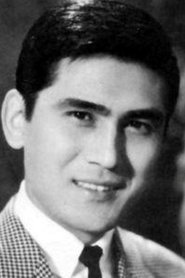
Frequently Asked Questions
What is Uzu (1961) about?
Uzu (1961) is a poignant Japanese drama that explores the intertwined lives of individuals navigating relationships in a post-war society. Through subtle storytelling and nuanced performances, it reflects on the push and pull between personal longing and social obligations, painting a tender portrait of human resilience and quiet transformation.
Who directed Uzu?
Uzu was directed by Yoshiaki Banshō, a filmmaker known for his sensitive handling of human dramas in mid-century Japan.
Who stars in Uzu?
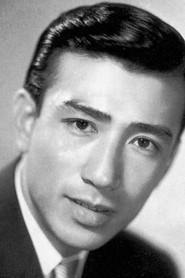
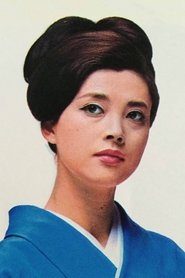
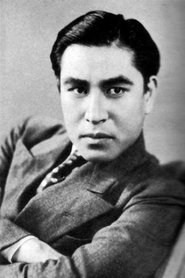
The film stars Keiji Sada, Mariko Okada, Shin Saburi, Kazuko Motohashi, and Shingo Kiyokawa in central roles.
Is Uzu (1961) worth watching?
Uzu is a gem for fans of slow-burn, character-focused cinema. While it lacks high-energy spectacle, its emotional depth and atmospheric direction make it a rewarding experience for viewers who appreciate subtle storytelling and cultural context from 1960s Japan.
How long is Uzu?
Uzu has a runtime of 90 minutes.
About Uzu (1961) — Quiet Drama of Post-War Japan's Emotional Landscape
Uzu (1961), helmed by visionary Japanese director Yoshiaki Banshō, unfolds a quietly powerful 90-minute exploration of human connection set against post-war Japan's shifting social landscape. This atmospheric drama centers on Keiji Sada and Mariko Okada, whose performances bring depth to a story woven with quiet tension and understated emotion. Banshō's sensitive direction crafts a meditative tone, where small gestures and fleeting glances speak louder than words. Set in a time of modest reconstruction and evolving relationships, Uzu captures the delicate balance between duty and desire, tradition and modernity, all bathed in the soft glow of a nation moving forward without losing its soul.
The film's restrained yet evocative style makes it a hidden gem for fans of character-driven cinema, where every frame feels purposeful and every silence meaningful. Uzu doesn't rely on dramatic spectacle but instead draws you in through its quiet realism and emotional authenticity, offering a reflective glimpse into lives shaped by both personal choices and societal expectations.