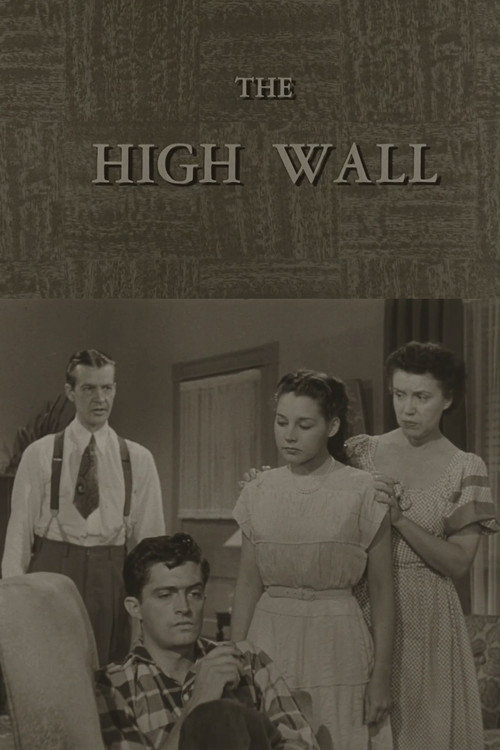
The High Wall 1952
Released in 1952, *The High Wall* stands as a bold and timely documentary that tackles the insidious spread of prejudice through the story of a troubled Chicago teenager whose harmful beliefs escalate into violence.
Director: Michael Road
Cast
Frequently Asked Questions
What is The High Wall (1952) about?
This 1952 documentary follows a vulnerable Chicago teenager whose ingrained prejudices spiral into violence, exploring how bigotry is learned—and unlearned—through family, school, and social circles. The film serves as a stark examination of mid-20th-century intolerance, framed as a contagion that demands collective responsibility to overcome.
Who directed The High Wall?
Michael Road directed *The High Wall*, lending his expertise to this socially conscious documentary that challenges viewers to confront the roots of discrimination.
Who stars in The High Wall?
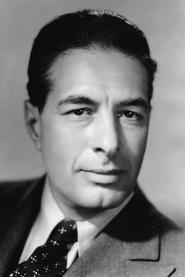
The film features Irving Pichel in a central role, with other cast details remaining uncredited in the public record.
Is The High Wall (1952) worth watching?
Though unrated on IMDb, *The High Wall* remains a significant historical artifact—a raw, socially urgent documentary that offers timeless insights into prejudice and its consequences. Its brevity and documentary format make it a compelling watch for audiences interested in social justice, mid-century American culture, and the power of education to combat hatred.
How long is The High Wall?
The film runs for 31 minutes, offering a concise yet impactful viewing experience.
About The High Wall (1952) — A Powerful 1952 Documentary on Prejudice and Social Change
Released in 1952, *The High Wall* stands as a bold and timely documentary that tackles the insidious spread of prejudice through the story of a troubled Chicago teenager whose harmful beliefs escalate into violence. Directed by Michael Road, this 31-minute film was produced for a coalition of public service organizations with a mission to dismantle racial and ethnic hatred, framing bigotry as a "contagious disease" passed down through generations.
The narrative dives deep into the psychological and social roots of intolerance, illustrating how bias is quietly absorbed from parents, teachers, and peers, shaping young minds in ways that can lead to devastating consequences. With a stark, documentary style, *The High Wall (1952)* delivers a powerful call to action, offering both a sobering reflection on mid-century America's societal fractures and a hopeful vision for breaking the cycle through awareness and education.