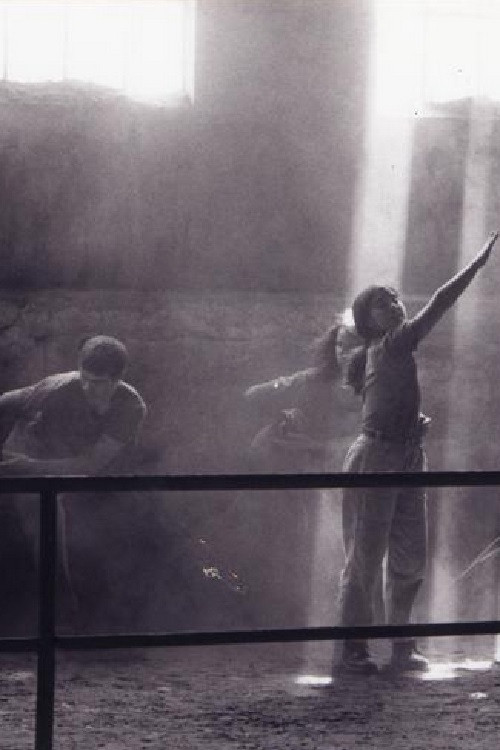
Vertigo Bird 1996
Sašo Podgoršek's experimental short "Vertigo Bird (1996)" plunges into the intimate poetic landscapes of Iztok Kovač's hometown, weaving together personal memory and broader existential reflection.
Director: Sašo Podgoršek
Cast
Frequently Asked Questions
What is Vertigo Bird (1996) about?
Vertigo Bird (1996) explores Iztok Kovač's deeply personal connection to his hometown, blending urban decay with a choreographic meditation on perception and historical change. The film uses dancers as metaphors for the remnants of human activity, framing decline as an inevitable, almost poetic force.
Who directed Vertigo Bird?
Vertigo Bird was directed by Sašo Podgoršek, who crafts the film as a visual and thematic extension of Kovač's artistic vision.
Who stars in Vertigo Bird?
The cast includes Jordi Casanovas Sempere, Claudia De Serpa Soares, Maja Delak, Mala Kline, and Iztok Kovač himself.
Is Vertigo Bird (1996) worth watching?
As an experimental dance film with strong visual and thematic ambition, Vertigo Bird (1996) offers a unique viewing experience—though its abstract nature may not appeal to all. Its 34-minute runtime and poetic focus make it a compelling choice for fans of avant-garde cinema seeking something beyond the mainstream.
How long is Vertigo Bird?
Vertigo Bird has a runtime of 34 minutes.
Vertigo Bird (1996): A Poetic Dance of Memory and Decline — Full Info
Sašo Podgoršek's experimental short "Vertigo Bird (1996)" plunges into the intimate poetic landscapes of Iztok Kovač's hometown, weaving together personal memory and broader existential reflection. Through this 34-minute visual and auditory journey, Kovač transforms everyday urban spaces into a haunting meditation on decline and historical inevitability. The film's abstract yet deeply felt structure invites viewers to perceive the familiar through a lens of artistic transformation, where dancers inhabit the remnants of human activity like spectral echoes of a fading era.
At its core, Vertigo Bird captures the tension between place and perception, blending Kovač's signature choreographic vision with a lyrical exploration of how environments shape—and are shaped by—our inner worlds. The result is a hypnotic, visually rich experience that lingers long after the final frame, offering a rare glimpse into the intersection of personal narrative and avant-garde cinema.