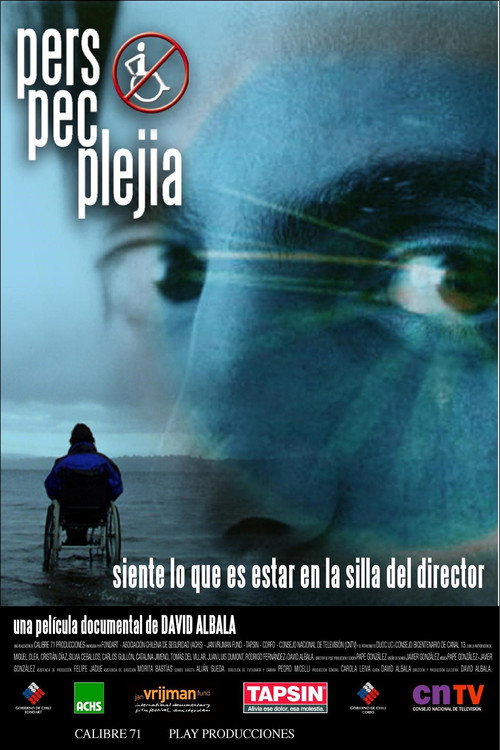
Perspecplejia 2005
"Siente lo que es estar en la silla del director"
Step behind the lens with Perspecplejia (2005), a Chilean documentary that invites viewers to experience cinema from the director's chair.
Director: David Albala
Cast
Frequently Asked Questions
What is Perspecplejia (2005) about?
This 70-minute documentary peels back the layers of the filmmaking process, offering a rare glimpse into how a director shapes a story visually. It's an intimate look at creativity, perspective, and the art of visual storytelling, told through the lens of Chilean filmmaker David Albala.
Who directed Perspecplejia?
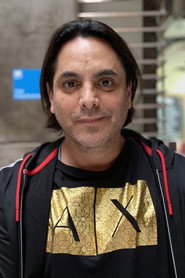
Perspecplejia (2005) was directed by Chilean filmmaker David Albala, who brings a unique perspective to the documentary genre.
Who stars in Perspecplejia?
The film features Chilean director David Albala as the central figure, with key interviews and behind-the-scenes footage shaping its narrative.
Is Perspecplejia (2005) worth watching?
As an unrated documentary, Perspecplejia offers a fresh take on the creative process, though its appeal may depend on your interest in filmmaking. It's a concise, thought-provoking watch for those curious about cinema behind the curtain.
How long is Perspecplejia?
Perspecplejia (2005) has a runtime of 70 minutes.
About Perspecplejia (2005) — A Chilean Documentary on Filmmaking Vision
Step behind the lens with Perspecplejia (2005), a Chilean documentary that invites viewers to experience cinema from the director's chair. Chilean filmmaker David Albala crafts this 70-minute exploration of perspective, inviting audiences into the creative process behind the camera. Through intimate interviews and behind-the-scenes footage, the film dissects what it means to shape a story visually, blending personal reflection with the broader art of visual storytelling.
The atmosphere is contemplative yet dynamic, reflecting the challenges and joys of filmmaking in a way that resonates with both cinephiles and curious newcomers. Albala's project isn't just a portrait of a director—it's a meditation on vision, control, and the transformative power of cinema itself.