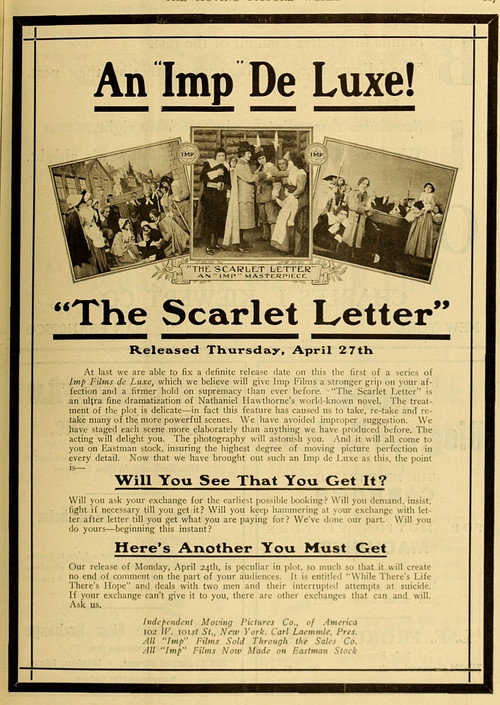
The Scarlet Letter 1911
Step into the puritanical world of 17th-century New England with *The Scarlet Letter (1911)*, the earliest cinematic adaptation of Nathaniel Hawthorne's timeless novel.
Director: George Loane Tucker
Cast
Frequently Asked Questions
What is The Scarlet Letter (1911) about?
Set in 17th-century New England, the film follows Hester Prynne as she waits for her husband, Roger, after he's captured by Native Americans. Her story unfolds against the rigid expectations of puritanical society, weaving themes of isolation, hope, and moral conflict.
Who directed The Scarlet Letter?
George Loane Tucker directed *The Scarlet Letter (1911)*, bringing early silent cinema's dramatic flair to Hawthorne's classic narrative.
Who stars in The Scarlet Letter?
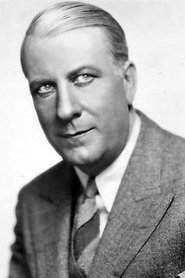
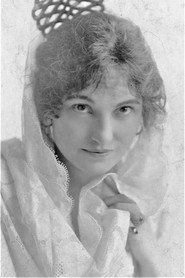
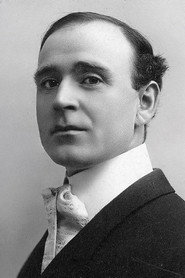
The film stars King Baggot as Hester's husband, Lucille Young as Hester, and features William Robert Daly, Anita Hendrie, and Robert Z. Leonard in key supporting roles.
Is The Scarlet Letter (1911) worth watching?
While it's a silent short with limited runtime, *The Scarlet Letter (1911)* offers a gripping adaptation of Hawthorne's novel. Its themes of sin and redemption remain relevant, making it a compelling watch for classic film and literature fans.
How long is The Scarlet Letter?
The Scarlet Letter (1911) runs approximately 15 minutes, a brief but impactful silent-era drama.
About The Scarlet Letter (1911) — The Silent Tragedy of Hester Prynne's Forbidden Love
Step into the puritanical world of 17th-century New England with *The Scarlet Letter (1911)*, the earliest cinematic adaptation of Nathaniel Hawthorne's timeless novel. Directed by George Loane Tucker, this 15-minute silent drama immerses viewers in the tragic tale of Hester Prynne, a woman awaiting her husband's return from sea in the harsh colonial settlement of Salem. When he vanishes after being captured by Native Americans, Hester's hope unravels against the backdrop of strict societal expectations. Tucker's vision transforms Hawthorne's themes of sin, isolation, and redemption into a visually striking, emotionally charged experience.
King Baggot delivers a compelling performance as Hester's tormented husband, while Lucille Young embodies the resilience and sorrow of a woman caught between duty and desire. The film's stark contrasts and moral dilemmas linger long after the final frame, offering a glimpse into early silent cinema's power to evoke deep human emotion. Though brief, *The Scarlet Letter (1911)* remains a fascinating relic for film enthusiasts and Hawthorne fans alike.