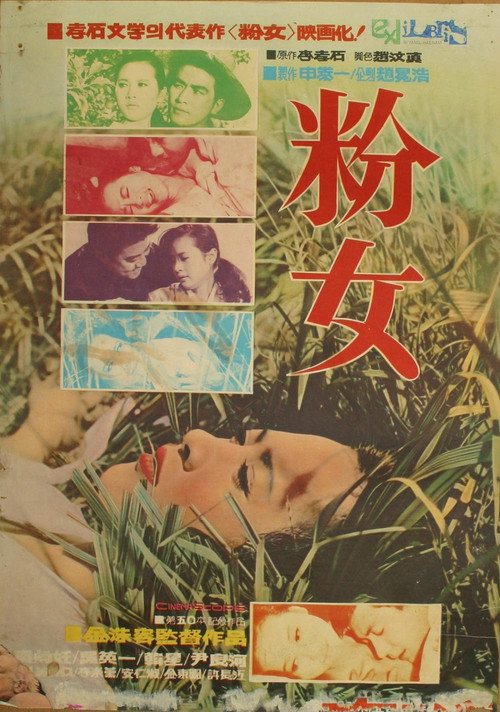
Bun-nyeo 1968
Set against the backdrop of 1960s rural Korea, *Bun-nyeo* (1968) is a poignant drama directed by Kim Soo-yong that delves into the quiet struggles of women navigating societal expectations and personal desires.
Director: Kim Soo-yong
Cast
Frequently Asked Questions
What is Bun-nyeo (1968) about?
*Bun-nyeo* (1968) explores the emotional and societal challenges faced by a woman in 1960s rural Korea, where tradition clashes with personal longing. Through her relationships and choices, the film reveals the quiet strength required to challenge expectations and forge one's own path.
Who directed Bun-nyeo?
Bun-nyeo was directed by Kim Soo-yong, a filmmaker known for his sensitive and socially engaged storytelling in Korean cinema.
Who stars in Bun-nyeo?
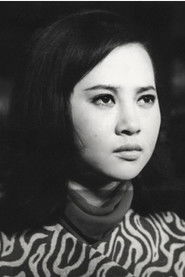
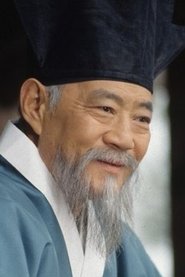
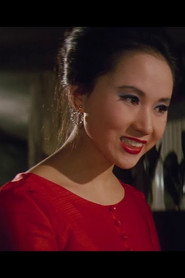
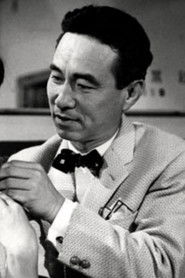
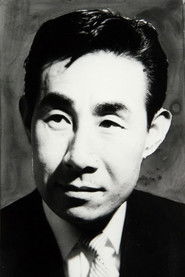
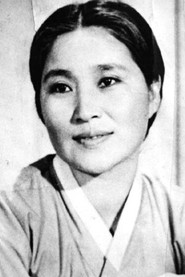
The film features Nam Jeong-im in a standout role, supported by Oh Yeong-il, Han Seong, Yoon Yang-ha, and Lee Nak-hoon, who bring depth to the ensemble cast.
Is Bun-nyeo (1968) worth watching?
While Bun-nyeo isn't widely rated, its intimate drama and Kim Soo-yong's direction make it a compelling watch for fans of Korean classics. The film's themes of resilience and self-discovery are particularly resonant, offering a window into a bygone era with emotional weight.
How long is Bun-nyeo?
Runtime details for Bun-nyeo (1968) are not listed.
Bun-nyeo (1968): A 1960s Korean Drama About Love and Sacrifice — Full Movie Info
Set against the backdrop of 1960s rural Korea, *Bun-nyeo* (1968) is a poignant drama directed by Kim Soo-yong that delves into the quiet struggles of women navigating societal expectations and personal desires. The film follows the intertwined lives of Nam Jeong-im's determined protagonist and those around her, as they confront love, sacrifice, and the unspoken burdens of tradition. With a stark yet emotive atmosphere, *Bun-nyeo* paints a vivid portrait of resilience and transformation, where every glance and gesture carries deeper meaning. Kim Soo-yong's masterful direction weaves a narrative that lingers long after the credits roll, blending realism with quiet intensity.
The performances shine, particularly Nam Jeong-im's portrayal of a woman caught between duty and aspiration, supported by a cast that brings authenticity to every scene. The film's dramatic themes resonate universally, making it a standout in Korean cinema of the era. *Bun-nyeo* isn't just a reflection on the past—it's a timeless exploration of human connections and the quiet heroism found in everyday lives.