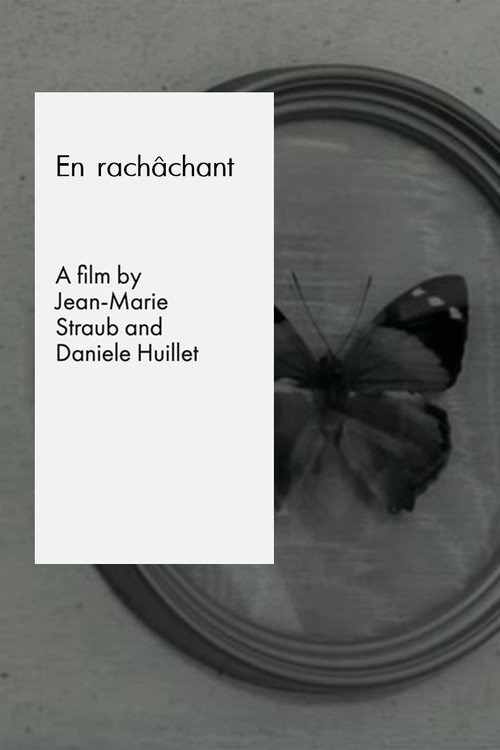
En rachâchant 1982
Jean-Marie Straub's *En rachâchant* (1982) is a sharp, witty short film that dives into the rebellious spirit of a young boy refusing to conform to the rigid expectations of education.
Director: Jean-Marie Straub
Cast
Frequently Asked Questions
What is En rachâchant (1982) about?
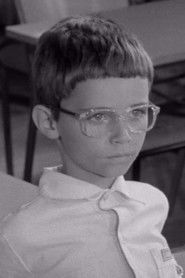
*En rachâchant* follows a young boy named Ernesto who decides he no longer wants to attend school because he feels it only teaches him things he doesn't understand. The film uses this simple premise to explore themes of authority and the limitations of traditional education.
Who directed En rachâchant?
En rachâchant was directed by Jean-Marie Straub, a filmmaker celebrated for his bold, avant-garde approach to cinema.
Who stars in En rachâchant?
The film features Olivier Straub in the lead role of Ernesto, alongside Nadette Thinus, Bernard Thinus, and Raymond Gérard.
Is En rachâchant (1982) worth watching?
With its sharp dialogue and thought-provoking themes, *En rachâchant* is a compelling watch for fans of cerebral, minimalist cinema. While short, it packs a surprising punch and offers plenty to discuss. Its experimental nature may not appeal to everyone, but it's undeniably unique.
How long is En rachâchant?
En rachâchant runs for 7 minutes.
About En rachâchant (1982) — A rebellious boy's fight against the school system
Jean-Marie Straub's *En rachâchant* (1982) is a sharp, witty short film that dives into the rebellious spirit of a young boy refusing to conform to the rigid expectations of education. Through the eyes of Ernesto, the film explores themes of authority, knowledge, and the stifling nature of institutional learning, all wrapped in Straub's signature minimalist yet provocative style. Running just seven minutes, this comedy packs a punch with its subversive humor and philosophical undercurrent, making it a standout in the director's oeuvre.
Set against a backdrop of everyday life, the film captures a moment of quiet defiance as Ernesto declares he won't return to school because it only teaches him things he doesn't know. Straub, known for his unconventional storytelling, uses this premise to question the very purpose of education and the power dynamics between teachers and students. The sparse yet deliberate performances by Olivier Straub, Nadette Thinus, and Bernard Thinus add to the film's dry, observational tone, leaving viewers to ponder its deeper implications long after the credits roll.