Farocki dreht 1967
Delve into the raw, unfiltered essence of 1960s experimental cinema with *Farocki dreht (1967)*, Irena Vrkljan's striking documentary that immerses viewers in a provocative exploration of filmmaking itself.
Director: Irena Vrkljan
Cast
Frequently Asked Questions
What is *Farocki dreht* (1967) about?
This avant-garde documentary blurs the line between filmmaker and subject, offering a hypnotic dissection of how images construct meaning. Through a minimalist lens, it interrogates the act of filming itself, making viewers question every frame. Think of it as a visual manifesto for the power—and limitations—of cinema.
Who directed *Farocki dreht*?
Irena Vrkljan directed *Farocki dreht*, a work that exemplifies her commitment to experimental and politically charged filmmaking.
Who stars in *Farocki dreht*?
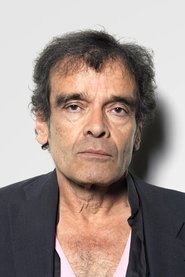
The film stars Harun Farocki, whose presence as both subject and collaborator lends it a profound, layered intensity.
Is *Farocki dreht* (1967) worth watching?
While it lacks mainstream appeal, *Farocki dreht* is a must-see for fans of experimental cinema and those intrigued by the philosophical underpinnings of film. Its stark visuals and intellectual rigor make it a rewarding, if demanding, experience.
How long is *Farocki dreht*?
Runtime details are not listed.
About Farocki dreht (1967) — Irena Vrkljan's groundbreaking experimental documentary
Delve into the raw, unfiltered essence of 1960s experimental cinema with *Farocki dreht (1967)*, Irena Vrkljan's striking documentary that immerses viewers in a provocative exploration of filmmaking itself. At its core, this work is a self-reflexive meditation on the power of the camera and the politics of perception, as Harun Farocki crafts a visual essay that questions how images shape reality. The film's austere black-and-white aesthetic and minimalist structure create an atmosphere of intellectual tension, challenging audiences to confront the mechanics behind the medium. Whether dissecting the act of filming or dissecting societal narratives, *Farocki dreht* stands as a testament to the enduring relevance of avant-garde storytelling.
While rooted in the political and artistic ferment of 1960s Germany, Vrkljan's direction eschews traditional documentary conventions, favoring instead a fragmented, poetic approach that lingers on the interplay between observer and observed. The film's themes—power, representation, and the illusion of objectivity—resonate deeply in today's media-saturated landscape, making it a cult favorite among cinephiles seeking films that push boundaries. A daring experiment in form, *Farocki dreht* is less a story to be told and more an experience to be felt, leaving viewers to ponder the thin line between art and manipulation.