Rashomon 1911
Step into the eerie world of early Japanese cinema with *Rashomon (1911)*, a chilling silent horror film steeped in folklore and supernatural dread.
Cast
Frequently Asked Questions
What is Rashomon (1911) about?
*Rashomon (1911)* follows Watanabe-no-Tsuna, a fearless demon-hunter from Raikō's legendary squad, as he confronts the monstrous Idaraki-doji at Kyoto's Rashomon Gate. After a fierce battle where he seizes the demon's arm, her cunning later outwits him, setting the stage for a battle of wits and survival.
Who directed Rashomon?
Director information is not available.
Who stars in Rashomon?
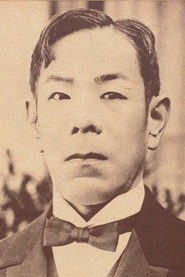
The film stars Matsunosuke Onoe, a titan of early Japanese silent cinema whose presence defines its dramatic core.
Is Rashomon (1911) worth watching?
While not rated on IMDb, *Rashomon (1911)* offers a fascinating peek into Japan's earliest horror traditions, with Matsunosuke Onoe's commanding performance and a gripping mythic narrative. Its historical significance and atmospheric tension make it a compelling watch for silent film and folklore enthusiasts.
How long is Rashomon?
Runtime details are not listed.
About Rashomon (1911): Uncovering Early Japanese Horror Cinema — Full Movie Info
Step into the eerie world of early Japanese cinema with *Rashomon (1911)*, a chilling silent horror film steeped in folklore and supernatural dread. Directed by an unknown filmmaker, this 1911 gem weaves a spine-tingling tale of Watanabe-no-Tsuna, a valiant warrior from Raikō's demon-hunting elite, who faces off against the terrifying Idaraki-doji—a she-demon lurking at Kyoto's Rashomon Gate. The film's haunting atmosphere is built around a clash of wills, as Tsuna's bravery leads to a brutal battle where he severs the demon's arm, only for her cunning to later reclaim it. With its stark visuals and mythic undertones, *Rashomon (1911)* captures the essence of Japan's earliest horror traditions.
Starring the legendary Matsunosuke Onoe—one of silent cinema's most iconic figures—this short but intense film blends historical legend with gothic horror. The story's tension lies in the demon's dual nature: both predator and trickster, she embodies the unpredictable horrors that lurked in the shadows of Edo-period Japan. While the director's identity remains a mystery, Onoe's commanding presence elevates the film beyond mere folklore, offering a glimpse into the cinematic storytelling of a bygone era.