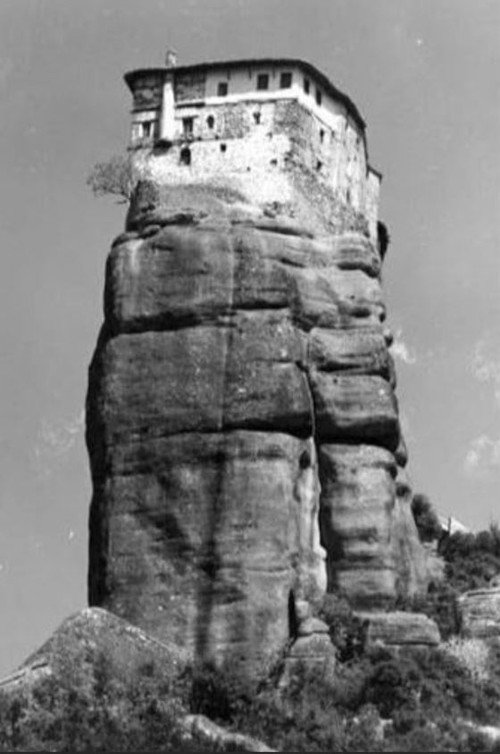
Μετέωρα 1924
Step back in time to 1924 with *Μετέωρα*, an atmospheric documentary that captures the quiet majesty of Greece's famed Meteora monasteries perched atop towering rock formations.
Frequently Asked Questions
What is Μετέωρα (1924) about?
This silent documentary transports viewers to Greece's Meteora region, showcasing its iconic medieval monasteries precariously built atop colossal rock pillars. The film focuses on the serene landscapes, architectural marvels, and spiritual atmosphere of this UNESCO-listed site, offering a glimpse into early 20th-century life in one of the world's most surreal natural wonders.
Who directed Μετέωρα?
Director information is not available.
Who stars in Μετέωρα?
With no credited cast listed, *Μετέωρα* relies entirely on its striking locations and natural ambiance rather than traditional performances.
Is Μετέωρα (1924) worth watching?
While it may lack the narrative depth of modern films, *Μετέωρα* offers a fascinating historical and aesthetic experience for silent film enthusiasts and travel buffs. Its meditative pacing and vintage visuals make it a unique watch for those interested in early documentaries or Greek cultural heritage.
How long is Μετέωρα?
Runtime details are not listed.
About Μετέωρα (1924) — A Vintage 1920s Documentary on Greece's Meteora Monasteries
Step back in time to 1924 with *Μετέωρα*, an atmospheric documentary that captures the quiet majesty of Greece's famed Meteora monasteries perched atop towering rock formations. This silent-era film transports viewers to an era of timeless spirituality and breathtaking natural landscapes, where the interplay of light and shadow across ancient stone conveys a sense of reverence and wonder. Through carefully composed shots and minimalist storytelling, *Μετέωρα* offers a meditative glimpse into a world suspended between earth and sky, evoking themes of solitude, faith, and the enduring beauty of cultural heritage.
Though shrouded in mystery due to its age, *Μετέωρα (1924)* stands as a rare cinematic artifact that blends travelogue with spiritual reflection. Its grainy vintage visuals and deliberate pacing invite modern audiences to slow down and appreciate the raw, unfiltered charm of early filmmaking. As both a historical document and a visual poem, this silent gem remains a poignant reminder of cinema's power to preserve fleeting moments in time.